

iPhone 13 Pro Max Vs iPhone XS

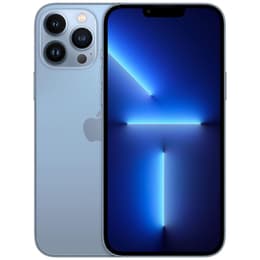
iPhone 13 Pro Max
iPhone 13 Pro Max
Starting at

Refurbished price:374.00

Versus €1,249.00 new

See options
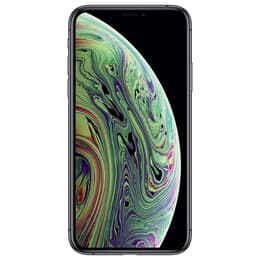
iPhone XS
iPhone XS
Starting at

Refurbished price:125.00

Versus €489.00 new

See options

Ratings

The iPhone 13 Pro Max, released in September 2021, and the iPhone Xs, launched in September 2018, represent different eras in smartphone technology. While both devices operate on the iOS platform, they offer distinct experiences, primarily differing in physical size, battery longevity, and advanced camera capabilities. The iPhone 13 Pro Max is designed for users seeking a large, feature-rich device, whereas the iPhone Xs provides a more compact form factor suitable for everyday communication and lighter use.

Scores

Durability

The age difference between these two models significantly impacts their expected functional lifespan and software compatibility.

  • Software Support Timeline: The iPhone 13 Pro Max continues to receive major operating system updates, ensuring access to the latest features and app optimizations. The iPhone Xs, having been released earlier, received major iOS updates up to iOS 18, which was released in 2024, and is expected to receive critical security patches into late 2026.
  • Physical Resilience: Both phones feature stainless steel frames and glass backs. However, the iPhone 13 Pro Max incorporates a Ceramic Shield front cover, designed to offer enhanced protection against accidental drops and surface scratches compared to the glass on the iPhone Xs.
  • Expected Practical Lifespan: Users seeking maximum software longevity and access to the newest features will find the iPhone 13 Pro Max offers a longer runway for future software requirements due to its newer internal hardware and extended update timeline.

Year of Release

2021

2018

Compatible with latest Update

Yes

Yes

OS

iOS

iOS

Foldable

No

No

Performance

Daily responsiveness and the ability to handle demanding applications vary noticeably between these generations due to the evolution of internal processing efficiency.

  • System Responsiveness: The iPhone 13 Pro Max handles intensive multitasking, high-end mobile gaming, and video editing with ease, providing a fluid user experience. In contrast, the iPhone Xs is well-suited for standard daily activities such as messaging, social media, and web browsing, though it may show limitations with more demanding applications.
  • Battery Endurance: The iPhone 13 Pro Max offers significantly extended battery life, often lasting through a full day of heavy use. The iPhone Xs, while capable of lasting a full day for moderate users, typically requires more frequent charging for those with intensive usage patterns.
  • Storage and Memory: The iPhone 13 Pro Max offers a wider range of storage options, including a 1TB variant, and features 6GB of RAM, accommodating large media libraries and allowing more applications to remain active in the background. The iPhone Xs comes with up to 512GB of storage and 4GB of RAM, which is sufficient for many users but offers less flexibility for extensive app usage or large file storage.

Memory

6 GB

4 GB

Screen quality

While both devices utilize high-quality display technology for deep blacks and rich colors, the viewing experience differs in scale, brightness, and visual smoothness.

  • Visual Fluidity: The iPhone 13 Pro Max features a ProMotion display with an adaptive refresh rate up to 120Hz, making scrolling, animations, and gaming appear notably smoother and more responsive. The iPhone Xs has a standard 60Hz refresh rate.
  • Brightness and Clarity: The screen on the iPhone 13 Pro Max reaches significantly higher brightness levels, with a typical maximum of 1000 nits and a peak of 1200 nits for HDR content, making it easier to view content clearly even under direct, bright sunlight. The iPhone Xs offers a typical maximum brightness of 625 nits. Both displays offer high resolution and pixel density, providing sharp and clear visuals.
  • Display Real Estate: The iPhone 13 Pro Max features a larger 6.7-inch OLED display, providing an expansive canvas for video streaming, gaming, and productivity. The iPhone Xs has a 5.8-inch OLED display, which is preferred by users who favor a device that is easier to operate with one hand.

Resolution

1284 x 2778

1125 x 2436

Screen type

Super Retina XDR OLED

Super Retina OLED

Audiovisual

The camera systems on these devices reflect advancements made over several generations, offering different capabilities for photography and videography.

  • Camera System Configuration: The iPhone 13 Pro Max features a versatile triple 12MP camera system, including Wide, Ultra Wide, and Telephoto lenses, complemented by a LiDAR Scanner for improved low-light focusing and augmented reality experiences. The iPhone Xs has a dual 12MP camera system with Wide and Telephoto lenses.
  • Photography Performance: The iPhone 13 Pro Max offers significant improvements in low-light photography, capturing more detail and better color accuracy. It also introduces features like Photographic Styles and Cinematic mode for video, providing more creative control. While the iPhone Xs captures good everyday photos, especially in well-lit conditions, it lacks the advanced computational photography features and low-light prowess of the newer model.
  • Video Recording and Front Camera: Both devices can record 4K video at 60 frames per second. However, the iPhone 13 Pro Max adds ProRes video recording capabilities and Cinematic mode, which offers a shallow depth of field effect. The front-facing camera on the iPhone 13 Pro Max is a 12MP sensor, offering higher resolution and improved performance compared to the 7MP front camera on the iPhone Xs.

Main camera

12 megapixels

12 megapixels

Front camera

12 megapixels

7 megapixels

Miscellaneous

Beyond core performance and display, several practical elements contribute to the overall user experience of each device.

  • Connectivity Options: The iPhone 13 Pro Max supports 5G connectivity, enabling faster mobile data speeds and more reliable connections in compatible areas. The iPhone Xs is limited to 4G LTE networks. Both devices support Wi-Fi and Bluetooth for wireless connections.
  • Physical Design and Handling: The iPhone 13 Pro Max is a larger and heavier device, weighing 240 grams with dimensions of 160.8 x 78.1 x 7.65 mm, which can make one-handed use challenging for some. The iPhone Xs is considerably lighter at 177 grams and more compact at 143.6 x 70.9 x 7.7 mm, making it more comfortable for extended one-handed operation and easier to carry.
  • Security and Ports: Both models utilize Face ID for secure authentication. Both devices also feature a Lightning port for charging and data transfer.

Weight

238 g

177 g

Screen size (in)

6.7

5.8

Network

5G

4G

SIM card

Physical SIM + eSIM

Physical SIM + eSIM

Carrier compatibility

Unlocked

Unlocked

Connector

Lightning

Lightning

User feedback from various forums indicates a clear divide in preference based on physical size, battery expectations, and camera capabilities. The iPhone Xs is frequently praised for its ergonomic design and how well it fits into smaller pockets, with many users appreciating its continued performance for daily tasks. However, some users find its battery life insufficient for modern demands, often requiring a mid-day charge, and note its aging software support.

Conversely, the iPhone 13 Pro Max receives high marks for its exceptional battery endurance, expansive and fluid display, and advanced camera system. Some users, however, find its weight and overall dimensions cumbersome for daily carry and one-handed use.

Users prioritizing extensive battery life, a large and immersive display with smooth scrolling, and advanced camera features for photography and videography will find the iPhone 13 Pro Max well-suited to their needs. This device also offers a longer period of software support, making it a suitable choice for those seeking a device with extended longevity. For individuals who prefer a more compact and lighter device that is comfortable for one-handed use and provides sufficient performance for essential daily tasks, the iPhone Xs remains a functional option. Choosing a quality-assured refurbished option for either device can extend its useful life, offering an eco-friendly alternative for consumers.


See all articles

Our recent comparisons