

Google Pixel 6A Vs iPhone 17 Pro

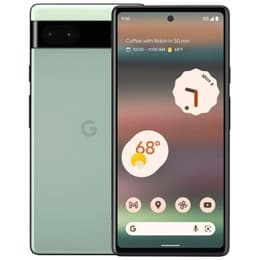
Google Pixel 6A
Google Pixel 6A
Starting at

Refurbished price:144.00

Versus €459.00 new

See options
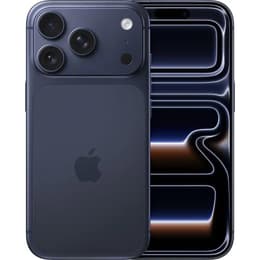
iPhone 17 Pro
iPhone 17 Pro
Starting at

Refurbished price:1,064.00

Versus €1,339.00 new

See options

Ratings

The Google Pixel 6a, released in July 2022, and the iPhone 17 Pro, launched in September 2025, represent distinct approaches to smartphone design and functionality. While the Pixel 6a focuses on delivering a strong software experience and capable photography at a more accessible point, the iPhone 17 Pro showcases Apple's latest advancements in performance, display technology, and camera capabilities. Both devices operate on their respective proprietary operating systems, Android for the Pixel and iOS for the iPhone, offering different user interfaces and ecosystem integrations.

Scores

Durability

The longevity of a smartphone is influenced by its build quality, software support, and repairability. These two devices offer different timelines and approaches to sustained use.

  • Software Support: The Google Pixel 6a, released in 2022, is expected to receive OS updates until at least July 2025 and security updates until at least July 2027, aligning with Google's policy of five years of updates for this model. In contrast, the iPhone 17 Pro, launched in 2025, is anticipated to receive major iOS updates for approximately seven years from its release, potentially extending support until 2032. This difference means the iPhone 17 Pro offers a significantly longer period of guaranteed software and security updates.
  • Physical Durability: The Pixel 6a features a metal frame and a plastic back, with its 6.1-inch OLED display protected by Gorilla Glass 3. It holds an IP67 rating for water and dust resistance, indicating protection against immersion in up to one meter of water for 30 minutes. The iPhone 17 Pro boasts a unibody aluminum design and a Ceramic Shield 2 front cover, which is reported to offer three times better scratch resistance than its predecessor. It carries an IP68 rating, allowing for submersion in up to six meters of water for 30 minutes. However, some users have noted a 'scratchgate' issue, where the anodized aluminum around the camera plateau can be prone to chipping.
  • Repairability: The iPhone 17 Pro has received a repairability score of 7 out of 10 from iFixit, partly due to the introduction of a screwed-in battery, which simplifies battery replacement. While the Pixel 6a has shown good structural integrity in bend tests, its repairability is generally considered moderate.

Year of Release

2022

2025

Compatible with latest Update

Yes

Yes

OS

Android

iOS

Foldable

No

No

Performance

Performance is a key differentiator, impacting how smoothly applications run, how quickly tasks are completed, and the overall responsiveness of the device.

  • Processing Power: The Google Pixel 6a is powered by Google's Tensor chip, designed to handle everyday tasks and computational photography efficiently. It provides a responsive experience for general use and app navigation. The iPhone 17 Pro integrates the A19 Pro chip, which delivers substantial processing power for demanding applications, advanced gaming, and complex video editing. Users report that the iPhone 17 Pro handles intensive workloads without significant slowdowns.
  • Multitasking and Storage: The Pixel 6a comes with 6GB of RAM and 128GB of non-expandable internal storage, which is suitable for most users' app and data needs. The iPhone 17 Pro offers various storage options, including 256GB, 512GB, 1TB, and potentially 2TB, catering to users with extensive storage requirements. Its larger RAM capacity (not explicitly stated in snippets but implied by Pro model and A19 Pro chip) contributes to seamless multitasking and efficient handling of numerous open applications.
  • Battery Behavior: The Pixel 6a is equipped with a 4410 mAh battery. While it can last a full day with moderate use, heavy users may find themselves needing to recharge before the day ends. The iPhone 17 Pro features a battery optimized for its advanced features, with users consistently reporting around nine hours of screen-on time, even with intensive use like 4K video recording and navigation. This suggests a more robust battery performance for power users.

Memory (GB)

6 GB

12 GB

Screen quality

The display is the primary interface for interaction, and differences in technology, resolution, and refresh rate significantly affect the visual experience.

  • Display Technology and Clarity: The Google Pixel 6a features a 6.1-inch OLED display with a 2400 x 1080 pixel resolution, providing clear and vibrant visuals for everyday content consumption. The iPhone 17 Pro boasts a 6.3-inch Super Retina XDR OLED display with a higher 2622 x 1206 pixel resolution, offering exceptional clarity, deep blacks, and vibrant colors.
  • Refresh Rate and Smoothness: The Pixel 6a has a standard 60Hz refresh rate, which provides a smooth experience for typical smartphone interactions. The iPhone 17 Pro incorporates ProMotion technology, offering adaptive refresh rates up to 120Hz. This higher refresh rate results in noticeably smoother scrolling, more fluid animations, and a more responsive feel, particularly beneficial for gaming and fast-paced content.
  • Brightness and Viewing Experience: The Pixel 6a's display offers good brightness for indoor and general outdoor use. The iPhone 17 Pro's display reaches a peak outdoor brightness of 3000 nits, making it highly visible even in direct sunlight. It also includes an Always-On display feature and an anti-reflective coating to reduce glare, enhancing the viewing experience in various lighting conditions.

Resolution

1080 x 2400

2622x1206

Screen type

OLED

Super Retina XDR

Audiovisual

Camera systems are a major consideration for many users, and both devices offer distinct photographic strengths and capabilities.

  • Rear Camera Systems: The Google Pixel 6a features a dual-camera setup with a 12.2MP main lens and a 12MP ultrawide lens. It is highly regarded for its computational photography, producing excellent photos in various conditions despite its modest hardware specifications. The iPhone 17 Pro comes with a more advanced triple-lens 48MP Pro Fusion camera system, including a 48MP main, 48MP ultrawide, and a 48MP telephoto lens with up to 8x optical zoom capabilities.
  • Photography Performance: The Pixel 6a excels in everyday photography and low-light conditions, leveraging its software to deliver detailed and well-exposed images. The iPhone 17 Pro offers superior detail and versatility across its lenses, with enhanced low-light performance and advanced features like ProRes RAW for professional-grade photography. However, the iPhone 17 Pro has dropped support for night portrait mode, which was available in previous Pro models.
  • Video Recording and Audio: The Pixel 6a can record 4K video at up to 60 frames per second. The iPhone 17 Pro supports 4K Dolby Vision video recording at up to 120 frames per second and includes features like Cinematic mode, Action mode, and spatial video recording. It also supports ProRes video recording up to 4K at 120 fps with external recording, catering to professional videographers. Both devices offer good microphone quality for calls and recording, and the iPhone 17 Pro is noted for its improved speaker output.

Main camera

12.2 megapixels

48 megapixels

Front camera

8 megapixels

18 megapixels

Miscellaneous

Beyond core features, several practical elements contribute to the overall user experience, from connectivity to physical design.

  • Connectivity and Ports: The Google Pixel 6a supports 5G connectivity and features a USB-C port for charging and data transfer, but it lacks a headphone jack. The iPhone 17 Pro also supports 5G (both sub-6 GHz and mmWave), Wi-Fi 7, and Bluetooth 6, offering advanced wireless capabilities. It utilizes a USB-C port, with the Pro models supporting faster data transfer speeds compared to the standard iPhone models.
  • Biometric Security and Navigation: The Pixel 6a uses an under-display fingerprint sensor for secure unlocking. The iPhone 17 Pro relies on Face ID for facial recognition and incorporates the Dynamic Island, an interactive area at the top of the display that adapts to alerts, activities, and notifications.
  • Build Materials and Handling: The Pixel 6a features a metal frame and a plastic back, contributing to its relatively light weight of 178 grams and compact feel. The iPhone 17 Pro utilizes a unibody aluminum design with a Ceramic Shield 2 front, providing a premium feel and enhanced durability. Its design is noted for being lighter and more comfortable to hold than previous Pro Max models.

Weight

178 g

206 g

Screen size (in)

6.1

6.3

Network

5G

5G

SIM card

Physical SIM + eSIM

Physical SIM + eSIM

Carrier compatibility

Unlocked

Unlocked

Connector

USB-C

USB-C

The Google Pixel 6a and the iPhone 17 Pro cater to different user priorities, reflecting their respective release timelines and design philosophies. Users often praise the Pixel 6a for its exceptional camera performance, particularly its computational photography capabilities, which deliver impressive results for its segment. Its compact size and clean Android experience are also frequently highlighted as positive aspects. However, some users have noted its 60Hz display and mixed battery life as areas for improvement.

The iPhone 17 Pro, being a more recent flagship, receives acclaim for its powerful performance, vibrant 120Hz ProMotion display, and highly versatile camera system with advanced video features. Its extended software support and robust build are also significant advantages. Criticisms have sometimes focused on the cosmetic durability of the camera plateau's anodized finish.

Users prioritizing a long-term software commitment, cutting-edge performance, and advanced camera features, especially for video, may find the iPhone 17 Pro well-suited to their needs. Conversely, individuals who value a strong photographic experience, a streamlined Android interface, and a more compact form factor, without requiring the absolute latest in display technology or raw processing power, might lean towards the Google Pixel 6a. Both devices are available as quality-assured refurbished options, providing a sustainable choice for consumers.


See all articles

Our recent comparisons