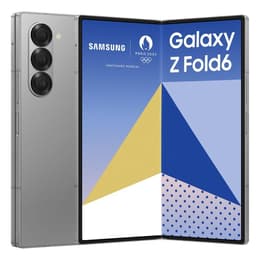
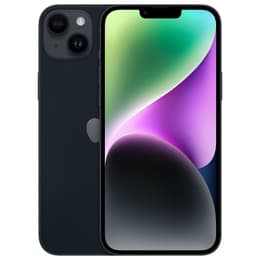


Galaxy Z Fold6 Vs iPhone 14 Plus

Galaxy Z Fold6
Galaxy Z Fold6
Starting at

Refurbished price:750.00

Versus €1,973.53 new

See options
iPhone 14 Plus
iPhone 14 Plus
Starting at

Refurbished price:317.00

Versus €879.00 new

See options

Ratings

The Samsung Galaxy Z Fold6, a foldable smartphone released in July 2024, and the Apple iPhone 14 Plus, a traditional smartphone launched in October 2022, offer distinct mobile experiences. The primary differentiators lie in their form factor, with the Z Fold6 providing a large, expandable display for enhanced multitasking, while the iPhone 14 Plus focuses on a conventional, robust design with a large, singular screen. Both devices operate on their respective flagship operating systems, Android and iOS, catering to different user ecosystems.

Scores

Durability

When considering the long-term usability of these devices, their release timelines and software support policies are key factors.

  • Release Timeline: The Galaxy Z Fold6, released in July 2024, is a newer device compared to the iPhone 14 Plus, which became available in October 2022. This difference in launch dates inherently provides the Z Fold6 with a longer potential lifespan for receiving the latest software updates.
  • Software Longevity: Samsung has committed to providing 7 years of OS upgrades and security updates for the Galaxy Z Fold6, ensuring extended software support. Apple typically offers 5-7 years of major iOS updates and extended security patches for its iPhones, with the iPhone 14 Plus expected to receive updates until approximately 2034.
  • Repairability: The iPhone 14 Plus initially received a favorable repairability score due to its internal redesign allowing access from both front and back, but this was later downgraded due to software locks and parts pairing requirements. The Galaxy Z Fold6, due to its complex foldable design, generally has a lower repairability score, often rated around 4.5 to 5 out of 10, with screen and hinge repairs being particularly challenging.

Year of Release

2024

2022

Compatible with latest Update

Yes

Yes

OS

Android

iOS

Foldable

Yes

No

Performance

The performance of both devices is tailored to their respective operating systems and hardware architectures, influencing how they handle daily tasks and demanding applications.

  • Processing Power: The Galaxy Z Fold6 is equipped with a current-generation processor designed for high performance, enabling smooth operation across various applications and intensive multitasking scenarios. The iPhone 14 Plus features a powerful processor that delivers responsive performance for everyday use, gaming, and content creation.
  • Multitasking Capabilities: The Z Fold6's foldable design allows for advanced multitasking with multiple apps open simultaneously on its larger inner display, benefiting users who frequently switch between applications. The iPhone 14 Plus, with its substantial RAM, handles multiple applications efficiently, providing a fluid user experience for typical smartphone tasks.
  • Storage Options: Both devices offer a range of internal storage configurations to suit different user needs. The Galaxy Z Fold6 is available with up to 1 TB of storage, while the iPhone 14 Plus offers up to 512 GB.

Memory (GB)

12 GB

6 GB

Screen quality

The display technologies and sizes of these two smartphones present distinct viewing experiences, catering to different preferences for content consumption and interaction.

  • Display Technology and Size: The Galaxy Z Fold6 features a 7.6-inch foldable Dynamic AMOLED 2X main display and a 6.3-inch Dynamic AMOLED 2X cover display, both offering vibrant colors and deep blacks. The iPhone 14 Plus has a 6.7-inch Super Retina XDR OLED display, known for its color accuracy and contrast.
  • Resolution and Clarity: The Z Fold6's main display offers a resolution of 2160 x 1856 pixels, providing a sharp and immersive viewing area when unfolded. Its cover screen has a resolution of 2376 x 968 pixels. The iPhone 14 Plus features a 2778 x 1284 pixel resolution, resulting in a pixel density of approximately 458 pixels per inch, contributing to clear text and detailed images.
  • Brightness and Refresh Rate: Both displays on the Z Fold6 support an adaptive refresh rate of up to 120Hz and can reach a peak brightness of 2600 nits, enhancing smoothness and outdoor visibility. The iPhone 14 Plus has a standard 60Hz refresh rate, with a typical brightness of 800 nits and a peak brightness of 1200 nits for HDR content.

Resolution

1856 x 2160

1284 x 2778

Audiovisual

The camera systems on the Galaxy Z Fold6 and iPhone 14 Plus are designed to capture different types of photographic and videographic content, each with its own strengths.

  • Rear Camera System: The Galaxy Z Fold6 features a versatile triple-camera setup, including a 50 MP wide-angle lens with optical image stabilization, a 12 MP ultra-wide lens, and a 10 MP telephoto lens with 3x optical zoom. The iPhone 14 Plus is equipped with a dual-camera system, comprising a 12 MP main camera with sensor-shift optical image stabilization and a 12 MP ultra-wide camera.
  • Photography Performance: The Z Fold6 incorporates AI-based image processing to enhance photo quality in various lighting conditions, and its ultra-wide camera has improved low-light and HDR capabilities. The iPhone 14 Plus utilizes features like Photonic Engine and Deep Fusion to improve detail and color in photos, particularly in mid-to-low light.
  • Video Recording and Front Cameras: Both devices offer advanced video recording capabilities, including 4K video. The Z Fold6 has a 10 MP front-facing camera on its cover screen and a 4 MP under-display camera on the main screen for video calls. The iPhone 14 Plus features a 12 MP TrueDepth front camera with autofocus, capable of recording 4K HDR video.

Front camera

4 megapixels

12 megapixels

Miscellaneous

Beyond their core functionalities, several practical elements contribute to the overall user experience and daily convenience of these smartphones.

  • Connectivity and Ports: Both devices support 5G connectivity for fast mobile data. The Galaxy Z Fold6 includes Wi-Fi 6E and Bluetooth 5.3, while the iPhone 14 Plus features Wi-Fi 6 and Bluetooth 5.3. The Z Fold6 uses a USB-C port, a common standard for charging and data transfer. The iPhone 14 Plus utilizes a Lightning port.
  • Biometric Security: The Z Fold6 typically incorporates a side-mounted fingerprint sensor for secure unlocking. The iPhone 14 Plus relies on Face ID for facial recognition, offering a convenient and secure authentication method.
  • Design and Handling: The Galaxy Z Fold6 has a unique foldable design, allowing it to transform from a compact smartphone to a larger tablet-like device. It weighs 239 grams. The iPhone 14 Plus, with its traditional slab design, weighs 203 grams and features a Ceramic Shield front and an aluminum frame for durability.

Weight

239 g

150 g

Screen size (in)

7.6

6.7

Network

5G

5G

SIM card

Physical SIM + eSIM

eSIM

Carrier compatibility

Unlocked

Unlocked

Connector

USB-C

Lightning

User feedback for the Galaxy Z Fold6 often highlights its innovative foldable design as a significant advantage, particularly for productivity and media consumption on its large inner screen. Users appreciate the ability to multitask and the immersive viewing experience. Some common criticisms include a desire for more advanced camera capabilities, comparable to Samsung's non-foldable flagship phones, and a wider outer display for easier one-handed typing. The battery life is generally considered good, though some power users might find it less robust than dedicated non-foldable devices.

The iPhone 14 Plus is frequently praised for its excellent battery life, often lasting a full day or more for many users, and its large, vibrant display. Users also value the consistent performance and the iOS ecosystem's privacy features. However, some users express disappointment with the camera quality, especially for distant subjects or the front-facing camera, noting it may not meet the expectations set by Pro models. The 60Hz refresh rate is also a point of contention for some, as is the limited customization options compared to Android devices.

Users prioritizing a versatile device for productivity, multitasking, and an expansive screen for media will find the Galaxy Z Fold6 well-suited to their needs. Its unique form factor offers a distinct advantage for those who frequently use their phone for work or immersive entertainment. Conversely, users who value a straightforward, reliable smartphone with exceptional battery life, a large traditional display, and the streamlined iOS experience may lean toward the iPhone 14 Plus. Both devices offer compelling features, and considering a quality-assured refurbished option can be a sustainable choice for either model.
See all articles

Our recent comparisons






