

Compare models
Galaxy Z Fold5 Vs Xiaomi Redmi Note 13 4G
- 1-year minimum warranty
- Free delivery on all orders
- Free 30-day returns
Differences at a glance
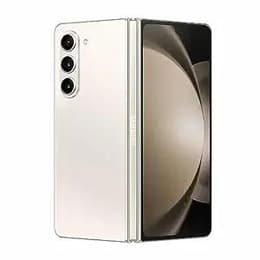
The Samsung Galaxy Z Fold5 (2023) and the Xiaomi Redmi Note 13 4G (2024) represent two entirely different approaches to mobile device engineering. The Galaxy Z Fold5 is an innovative foldable smartphone featuring a dual-screen design, while the Xiaomi Redmi Note 13 4G follows a traditional slab smartphone layout optimized for everyday utility. While both run on the Android operating system, they target distinct user preferences through their physical structures and capabilities.
Available Models
Colour
Storage
Scores
Durability
Durability and software support expectations vary significantly between these two models due to their release timelines and hardware classifications.
- Software longevity: The Galaxy Z Fold5 receives extended flagship-tier operating system updates, whereas the Xiaomi Redmi Note 13 4G follows a standard mid-range support lifecycle.
- Physical durability: The Galaxy Z Fold5 incorporates specialized folding glass and aluminum framing designed for heavy mechanical use, while the Xiaomi Redmi Note 13 4G utilizes a standard rigid slate body with splash resistance.
- Expected lifespan: Both devices handle multi-year usage well, though foldable devices require more careful handling of the primary flexible screen over extended periods.
Year of Release
2023
2024
Performance
System responsiveness and hardware capabilities reflect the different market tiers and processing architectures of each device.
- Multitasking capacity: The Galaxy Z Fold5 features high-tier memory configurations and processing power that easily handle demanding split-screen workflows, while the Xiaomi Redmi Note 13 4G manages standard daily apps and lighter multitasking reliably.
- Storage capacity: Both models offer ample internal storage variants to store apps, media, and documents, though the Xiaomi variant supports external memory expansion through specific configurations.
- Battery behavior: The Xiaomi Redmi Note 13 4G benefits from a large standalone battery capacity that easily spans a full day of typical use, while the Galaxy Z Fold5 balances energy across two separate displays during daily operation.
Screen quality
Display technology represents one of the most prominent distinctions in this comparison, influencing viewing comfort and media consumption.
- Display architecture: The Galaxy Z Fold5 utilizes a transformable internal folding panel alongside a standard outer screen, while the Xiaomi Redmi Note 13 4G features a single, large flat screen utilizing vibrant AMOLED technology.
- Brightness and outdoor visibility: Both screens offer high peak brightness levels to ensure readability under direct sunlight, supported by smooth high refresh rates for fluid scrolling.
- Viewing experience: Users watching videos or reading documents on the Galaxy Z Fold5 enjoy tablet-sized screen real estate, whereas the Xiaomi Redmi Note 13 4G provides a traditional, comfortable single-handed viewing space.
Audiovisual
Imaging hardware and audio-visual outputs cater to different expectations for content creation and media playback.
- Camera systems: The Galaxy Z Fold5 includes a versatile triple-lens setup with specialized optical zoom capabilities, while the Xiaomi Redmi Note 13 4G focuses on a high-resolution main sensor for everyday snapshots.
- Video and low-light performance: The flagship processing on the Galaxy Z Fold5 delivers advanced video stabilization and night photography features, whereas the Xiaomi model handles casual social media photos adequately.
- Media audio: Both devices incorporate stereo speaker setups that provide clear audio for calls and casual video streaming, though neither includes a traditional headphone jack.
Miscellaneous
Physical dimensions, handling characteristics, and connectivity standards dictate how these devices fit into daily routines.
- Handling and weight: The Galaxy Z Fold5 has a heavier, thicker folded footprint that opens into a broad tablet, whereas the Xiaomi Redmi Note 13 4G offers a lightweight, thin traditional profile that is easy to grip.
- Connectivity: The Galaxy Z Fold5 supports high-speed 5G networks alongside modern wireless standards, while the Xiaomi Redmi Note 13 4G is restricted to 4G LTE network connectivity.
- Security sensors: The Galaxy Z Fold5 utilizes a side-mounted fingerprint reader and facial recognition, matching the side-mounted biometric sensor approach found on the Xiaomi Redmi Note 13 4G.
Screen size (in)
7.6
6.67
Network
5G
4G
SIM card
Physical SIM + eSIM
Dual Physical SIM
Carrier compatibility
Unlocked
Unlocked
Connector
USB-C
USB-C
What the community thinks
User feedback highlights distinct preferences for each device across online communities. Owners of the Galaxy Z Fold5 frequently praise its expansive multitasking workspace and innovative folding capability, though some note the heavier weight and visible crease on the main display. Conversely, users of the Xiaomi Redmi Note 13 4G appreciate its reliable battery endurance, lightweight feel, and straightforward functionality, while observing that processing speeds can stutter during intensive tasks.
Users prioritizing productivity, large multi-app workspaces, and advanced processing power may prefer the Galaxy Z Fold5, while users prioritizing a lightweight traditional design, everyday simplicity, and reliable battery life will find the Xiaomi Redmi Note 13 4G well-suited to their needs. For those exploring sustainable purchasing habits, choosing a quality-assured refurbished option from Back Market provides an eco-friendly alternative that extends device life cycles without compromising on performance standards.