

Galaxy Z Flip3 5G Vs iPhone 14 Pro Max

Galaxy Z Flip3 5G
Galaxy Z Flip3 5G
Starting at

Refurbished price:154.00

Versus €999.00 new

See options
iPhone 14 Pro Max
iPhone 14 Pro Max
Starting at

Refurbished price:446.00

Versus €1,489.00 new

See options

Ratings

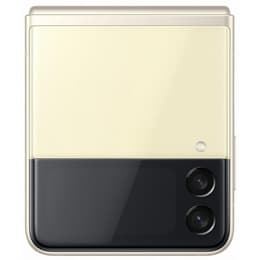
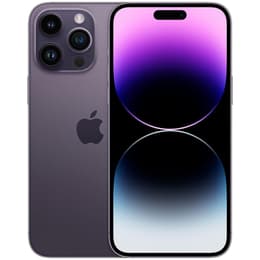
The Samsung Galaxy Z Flip3 5G, released in August 2021, and the Apple iPhone 14 Pro Max, launched in September 2022, represent distinct approaches to modern smartphone design. The Z Flip3 offers a unique foldable clamshell form factor running on the Android operating system, emphasizing portability and a compact footprint. In contrast, the iPhone 14 Pro Max is a traditional, larger slab-style smartphone powered by Apple's iOS, focusing on a expansive display and advanced capabilities. These devices cater to different user preferences, primarily differing in their physical design, software ecosystem, and core hardware philosophies.

Scores

Durability

The expected practical lifespan of a smartphone is influenced by its initial release, software support, and physical resilience.

  • Release Timeline: The Galaxy Z Flip3 5G was released in August 2021, making it an older model compared to the iPhone 14 Pro Max, which debuted in September 2022. This difference in release year means the iPhone 14 Pro Max will likely receive software updates for a longer period.
  • Software Longevity: Samsung typically provides several years of Android operating system updates and security patches for its flagship devices, with the Z Flip3 5G expected to receive updates up to Android 14 and five years of security updates. Apple is known for its extended software support, often providing iOS updates for five to six years or more from a device's release, suggesting the iPhone 14 Pro Max will have a longer software support window.
  • Physical Durability: The Galaxy Z Flip3 5G features an IPX8 water resistance rating, protecting it from submersion but not dust, due to its folding design. Its main display uses ultra-thin glass, which is more flexible but can be more susceptible to damage than traditional smartphone screens. The iPhone 14 Pro Max boasts Ceramic Shield front cover protection and an IP68 rating for dust and water resistance, offering robust protection against environmental elements.

Year of Release

2021

2022

Compatible with latest Update

Yes

Yes

OS

Android

iOS

Foldable

Yes

No

Performance

Both devices offer capable performance for daily tasks, but their underlying hardware and software optimizations lead to different user experiences.

  • Overall Responsiveness: The iPhone 14 Pro Max, with its newer generation processor, delivers a highly fluid and responsive user experience, handling demanding applications, complex multitasking, and graphics-intensive games with ease. The Galaxy Z Flip3 5G, powered by a previous generation processor, provides smooth performance for most everyday applications and moderate gaming, though it may show some limitations with the most intensive tasks compared to newer devices.
  • Multitasking and Storage: The iPhone 14 Pro Max comes with ample memory, contributing to seamless app switching and background process management. It offers various storage options, including up to 1TB, catering to users with extensive digital content. The Galaxy Z Flip3 5G typically includes 8GB of RAM and storage options up to 256GB, which is sufficient for most users, but heavy multitaskers or those with large media libraries might find the iPhone's higher configurations more accommodating.
  • Battery Behavior: The iPhone 14 Pro Max is recognized for its extended battery life, often lasting through a full day of heavy use and sometimes longer, even with its always-on display feature. The Galaxy Z Flip3 5G's battery capacity is smaller, and users often report that it requires more frequent charging, especially with consistent use of its main display and 5G connectivity.

Memory (GB)

8 GB

6 GB

Screen quality

The display experience on these two smartphones is significantly shaped by their distinct form factors and display technologies.

  • Display Technology and Clarity: The Galaxy Z Flip3 5G features a 6.7-inch Dynamic AMOLED 2X main display when unfolded, offering vibrant colors and deep blacks, with a resolution of 2640 x 1080 pixels. It also has a 1.9-inch Super AMOLED cover screen for quick notifications and interactions. The iPhone 14 Pro Max sports a 6.7-inch Super Retina XDR OLED display with a resolution of 2796 x 1290 pixels, providing exceptional clarity, color accuracy, and contrast.
  • Brightness and Outdoor Visibility: Both devices offer high brightness levels. The Galaxy Z Flip3 5G's main screen can reach up to 1200 nits peak brightness, ensuring good visibility in various lighting conditions. The iPhone 14 Pro Max excels in brightness, with a typical maximum of 1000 nits and a peak outdoor brightness of up to 2000 nits, making it highly readable even in direct sunlight.
  • Refresh Rate and Smoothness: Both phones feature adaptive refresh rates for a smoother visual experience. The Galaxy Z Flip3 5G's main display has a 120Hz adaptive refresh rate. The iPhone 14 Pro Max also includes ProMotion technology, offering an adaptive refresh rate up to 120Hz, which can scale down to 1Hz to conserve battery life, especially with its always-on display feature.

Resolution

1080 x 2640

1290 x 2796

Screen type

Foldable Dynamic AMOLED 2X

LTPO Super Retina XDR OLED

Audiovisual

The camera systems on the Galaxy Z Flip3 5G and the iPhone 14 Pro Max offer different capabilities, catering to varying photography needs.

  • Rear Camera System: The Galaxy Z Flip3 5G is equipped with a dual-camera setup on the rear, consisting of a 12MP wide-angle lens and a 12MP ultra-wide-angle lens. This system performs well in good lighting conditions, producing images with pleasing colors and decent detail. The iPhone 14 Pro Max features a more advanced triple-camera system, including a 48MP main sensor, a 12MP ultra-wide lens, and a 12MP telephoto lens with 3x optical zoom. The larger main sensor and telephoto capabilities provide greater versatility and detail.
  • Low-Light and Video Performance: In low-light scenarios, the iPhone 14 Pro Max generally offers superior performance, capturing more detail and managing noise effectively due to its larger sensor and advanced image processing. Its video recording capabilities are also highly regarded, supporting 4K video at up to 60 frames per second with advanced stabilization features like Action mode. The Galaxy Z Flip3 5G can record 4K video at 60fps, and while its low-light photography has improved, it may not match the iPhone's performance in very challenging conditions.
  • Front Camera and Audio: The Z Flip3 5G has a 10MP front camera, and its foldable design allows for using the main rear cameras for high-quality selfies with the cover screen as a viewfinder. The iPhone 14 Pro Max features a 12MP TrueDepth front camera with autofocus, capable of high-quality selfies and video calls. Both devices offer good microphone quality for calls and video recording, and stereo speakers for media consumption.

Main camera

12 megapixels

48 megapixels

Front camera

10 megapixels

12 megapixels

Miscellaneous

Beyond core performance, several practical features and design elements differentiate these two smartphones.

  • Connectivity and Ports: Both devices support 5G connectivity, Wi-Fi 6, and Bluetooth for modern wireless communication. The Galaxy Z Flip3 5G uses a USB-C port for charging and data transfer. The iPhone 14 Pro Max utilizes Apple's proprietary Lightning port.
  • Biometric Security and Sensors: The Galaxy Z Flip3 5G integrates a fingerprint sensor into its side power button for secure unlocking. The iPhone 14 Pro Max relies on Face ID, Apple's facial recognition system, for biometric security. Both phones include a standard array of sensors such as accelerometers, gyroscopes, and ambient light sensors.
  • Design and Handling: The Galaxy Z Flip3 5G's defining feature is its foldable design, allowing it to fold into a compact square, making it highly portable and easy to pocket. When unfolded, it measures 166.0 x 72.2 x 6.9mm and weighs 183g. The iPhone 14 Pro Max is a larger, heavier device, measuring 160.7 x 77.6 x 7.85mm and weighing 240g, offering a substantial feel and a large, uninterrupted display. Its build materials include a stainless steel frame and a Ceramic Shield front cover.

Weight

183 g

120 g

Screen size (in)

6.7

6.7

Network

5G

5G

SIM card

Physical SIM + eSIM

Physical SIM + eSIM

Carrier compatibility

Unlocked

Unlocked

Users often praise the Samsung Galaxy Z Flip3 5G for its innovative and compact foldable design, which offers a unique blend of style and portability. Its ability to fold in half makes it convenient to carry, and the cover screen provides quick access to notifications without fully opening the device. However, some users have noted concerns regarding its battery life, which can be shorter than traditional slab phones, and the long-term durability of the folding screen. The camera system, while capable, is generally considered good for everyday use but not always on par with the most advanced flagship devices.

The iPhone 14 Pro Max is frequently lauded for its exceptional battery life, robust performance, and highly capable camera system, particularly its low-light photography and video recording. Users appreciate the expansive and bright display, as well as the consistent and intuitive iOS experience. Common feedback also highlights its substantial size and weight, which some find less comfortable for one-handed use, and the continued use of the Lightning port rather than a more universal USB-C connection.

Users prioritizing a highly portable and distinctive smartphone experience, who value a compact form factor and the novelty of a folding screen, may find the Galaxy Z Flip3 5G well-suited to their needs. Those who prioritize extended battery life, top-tier camera performance, and a large, immersive display for media consumption and productivity will likely lean towards the iPhone 14 Pro Max. Both devices offer compelling features, and choosing between them often comes down to whether a user values the innovative design and portability of a foldable or the established performance and endurance of a premium slab smartphone. For those considering either device, exploring quality-assured refurbished options can be a sustainable choice.

See all articles

Our recent comparisons