

Compare models
Galaxy Tab S10 Ultra (14.6", 2024) Vs iPad mini 7 (2024, A17 series)
- 1-year minimum warranty
- Free delivery on all orders
- Free 30-day returns
Differences at a glance
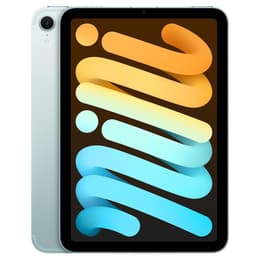
The Samsung Galaxy Tab S10 Ultra (2024) and the Apple iPad mini 7 (2024) represent two completely opposing approaches to modern tablet computing. While the Samsung Galaxy Tab S10 Ultra is a massive 14.6-inch Android device built to function as a mobile workstation, the iPad mini 7 is a compact 8.3-inch Apple tablet focused on portability and handheld ease of use. These devices differ fundamentally in operating systems, physical form factors, and intended user workflows.
Available Models
Colour
Storage (GB)
Scores
Durability
Both tablets launched in late 2024, providing similar baseline hardware age, though their software update lifecycles and repair considerations follow different vendor paths.
- Software Support: Samsung provides extended multi-year operating system updates for its flagship line, while Apple maintains its traditional long-term support window for iPadOS devices.
- Repairability: Both manufacturers design slim sealed aluminum chassis that require professional assistance for internal component repairs.
- Expected Lifespan: High-capacity internal components and robust build quality ensure both models remain viable for multi-year daily use across diverse user routines.
Year of Release
2024
2024
Compatible with latest Update
No
Yes
OS
Android
iPadOS
Performance
Handling everything from casual browsing to intensive professional applications, both models utilize high-tier hardware configurations tailored to their distinct physical sizes.
- Multitasking and App Loading: Generous memory allocations and powerful flagship processors ensure rapid app launching, smooth split-screen workflows, and responsive daily multitasking.
- Battery Behavior: The large Samsung chassis houses a high-capacity cell suited for extensive productivity sessions, whereas the compact iPad relies on power-efficient engineering to deliver reliable single-day handheld use.
- Storage Configurations: Multiple tiered capacity options accommodate large offline media libraries, heavy document archives, and demanding local applications.
Screen quality
Display technology is one of the most striking points of divergence between these two devices, dictating entirely different viewing and interaction experiences.
- Display Technology: The Galaxy Tab S10 Ultra features an expansive AMOLED panel delivering deep contrast and vivid colors, while the iPad mini 7 utilizes a crisp Liquid Retina IPS screen with sharp pixel density.
- Outdoor Usability: High maximum brightness levels on both screens maintain clear visibility under bright ambient lighting or outdoor conditions.
- Viewing Workspace: The massive canvas of the Samsung tablet suits multi-window multitasking and digital drawing, whereas the compact Apple screen favors single-app focus and one-handed reading.
Resolution
1848 x 2960
2266 x 1488
Screen type
Dynamic AMOLED 2X
Liquid Retina display
Pixel density
240ppp
326ppp
Audiovisual
Built primarily for utility rather than traditional photography, both tablet lines integrate competent optics for document scanning, video calls, and casual media capture.
- Camera Systems: Front-facing ultra-wide lenses equipped with automated framing keep users centered during virtual meetings, paired with functional rear sensors for quick snapshots.
- Video and Audio: High-definition video recording capabilities couple with multi-microphone arrays to deliver clear voice capture during remote communication.
- Media Consumption: Stereo speaker setups provide balanced audio output for streaming video content, gaming, and listening to audiobooks.
Miscellaneous
Connectivity standards, physical dimensions, and accessory support heavily influence how each device integrates into daily travel and workspace routines.
- Connectivity: Modern wireless protocols including fast Wi-Fi standards and optional cellular support keep users connected on the move.
- Ports and Peripherals: Universal USB-C ports handle fast charging and data transfers, with dedicated stylus compatibility supporting note-taking and creative tasks.
- Portability: The ultra-slim Samsung demands a bag or backpack for transport, whereas the lightweight iPad mini slips easily into small pouches or coat pockets. Opting for a quality-assured refurbished option provides a sustainable choice for acquiring these advanced electronics without extra environmental footprint.
Weight
576 g
293 g
Screen size (in)
14.6
8.3
Network
Wi-Fi
Wi-Fi
Carrier compatibility
Unlocked
Without SIM Port
What the community thinks
User feedback from online communities highlights distinct operational preferences for each platform. Owners of the Galaxy Tab S10 Ultra frequently praise its massive canvas, immersive media display, and laptop-like productivity potential, though some note that its sheer size makes it less convenient for casual handheld reading. Conversely, iPad mini 7 users routinely celebrate its unmatched portability, snappy performance, and comfortable one-handed grip, while occasionally pointing out that the compact screen limits complex multi-window workflows.
Users prioritizing an expansive workspace for media editing, split-screen multitasking, and note-taking will find the Galaxy Tab S10 Ultra well-suited to their needs. Meanwhile, users prioritizing maximum portability, handheld comfort, and a pocket-friendly footprint may lean toward the iPad mini 7. Choosing a sustainable, quality-assured refurbished option through Back Market allows buyers to secure these powerful devices while supporting eco-friendly technology consumption.