


Galaxy S25 Vs Google Pixel 9 Pro

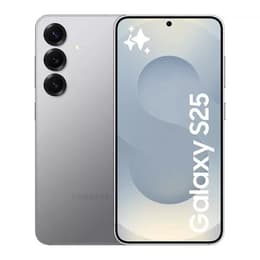
Galaxy S25
Galaxy S25
Starting at

Refurbished price:489.60

Versus €910.00 new

See options
Google Pixel 9 Pro
Google Pixel 9 Pro
Starting at

Refurbished price:484.00

Versus €1,099.00 new

See options

Ratings

The Samsung Galaxy S25, released in February 2025, and the Google Pixel 9 Pro, launched in September 2024, represent two distinct approaches to high-end Android smartphones. Both devices offer advanced features and robust performance, but they differentiate themselves primarily through their camera philosophies and software experiences. While the Galaxy S25 integrates Samsung's One UI over Android, the Pixel 9 Pro provides a more streamlined Android experience with a strong emphasis on artificial intelligence.

Scores

Durability

Both the Galaxy S25 and the Pixel 9 Pro are designed for extended usability, offering substantial software support and durable builds.

  • Release Timeline and Software Support: The Galaxy S25, released in February 2025, and the Pixel 9 Pro, released in September 2024, both come with a commitment to seven years of operating system upgrades and security updates. This means both devices are expected to receive updates until at least 2031 for the Pixel 9 Pro and 2032 for the Galaxy S25, ensuring long-term software relevance and security.
  • Durability Features: The Galaxy S25 features Gorilla Glass Victus 2 on both its front and rear panels, coupled with an aluminum body, providing a solid construction. The Pixel 9 Pro also boasts an IP68 rating for dust and water resistance, similar to the Galaxy S25, indicating comparable protection against environmental elements.
  • Practical Lifespan: With extensive software support and robust physical designs, both smartphones are built to remain functional and secure for many years. Users can expect these devices to handle daily tasks and receive critical updates well into the future, making them suitable for long-term ownership.

Year of Release

2025

2024

OS

Android

Android

Foldable

No

No

Performance

Performance in both devices is optimized for a smooth user experience, though they achieve this through different hardware and software integrations.

  • Processor Capabilities: The Galaxy S25 is powered by a customized Snapdragon 8 Elite processor, designed to handle demanding applications and multitasking efficiently. The Pixel 9 Pro features Google's Tensor G4 chip, which is specifically engineered to excel in AI-driven tasks and provide a fluid Android experience.
  • Multitasking and Storage: The Pixel 9 Pro comes with 16GB of RAM, offering ample capacity for extensive multitasking and running numerous applications simultaneously. The Galaxy S25 typically includes 12GB of RAM, which is also sufficient for most users' multitasking needs. Both devices offer various storage options, starting from 128GB, with the Pixel 9 Pro extending to 1TB, providing flexibility for different user storage requirements.
  • Battery Behavior: The Pixel 9 Pro is equipped with a 4700 mAh battery, often reported to last over 17 hours in video streaming tests and capable of more than 24 hours of constant use for many users. The Galaxy S25 has a 4000 mAh battery, which is generally sufficient for a full day of mixed usage, providing around six hours of screen-on time. The Pixel 9 Pro supports 27W wired charging and 21W wireless charging, while the Galaxy S25 supports 25W wired charging.

Memory (GB)

12 GB

16 GB

Screen quality

Both smartphones offer high-quality displays designed for vibrant visuals and smooth interactions, with some key differences in their underlying technology and brightness levels.

  • Display Technology and Clarity: The Galaxy S25 features a 6.2-inch Dynamic LTPO AMOLED 2X display with a 2340x1080 resolution, providing clear and vibrant images. The Pixel 9 Pro sports a 6.3-inch OLED display, referred to as Super Actua, with a higher resolution of 2856x1280 pixels, resulting in a slightly sharper image with a pixel density of 495ppi.
  • Brightness and Refresh Rate: The Pixel 9 Pro's display can reach a peak brightness of 3000 nits, making it highly visible even in bright outdoor conditions, with a variable refresh rate that ranges from 1Hz to 120Hz for power efficiency and smooth scrolling. The Galaxy S25 offers a peak brightness of up to 2600 nits and a 120Hz refresh rate, also providing a fluid viewing experience.
  • Viewing Experience: The Pixel 9 Pro utilizes M14 OLED technology, which is considered advanced, while the Galaxy S25 uses M13 organic materials, similar to its predecessor, but incorporates Samsung's HOP 3.0 LTPO technology for improved efficiency and touch response. Both displays offer excellent color reproduction and contrast, suitable for media consumption and daily use.

Resolution

1080x2340

1280 x 2856

Screen type

Dynamic LTPO AMOLED 2X

LTPO OLED

Audiovisual

The camera systems on the Galaxy S25 and Pixel 9 Pro both deliver high-quality imaging, but they emphasize different strengths in their approach to photography.

  • Camera System Capabilities: The Galaxy S25 is equipped with a triple-camera setup featuring a 50MP main sensor, a 10MP telephoto lens with 3x optical zoom, and a 12MP ultrawide lens. The Pixel 9 Pro also has a triple-camera system, including a 50MP main sensor, a 48MP ultrawide lens with autofocus, and a 48MP telephoto lens offering 5x optical zoom and up to 30x Super Res Zoom. The Pixel 9 Pro also features a higher resolution 42MP front camera compared to the Galaxy S25's 12MP front camera.
  • Photography Performance: The Pixel 9 Pro is known for its computational photography, delivering natural-looking images with accurate colors and strong dynamic range, particularly excelling in low-light conditions with features like Night Sight. The Galaxy S25 tends to produce more vibrant, social media-ready images with Samsung's characteristic post-processing. For zoom capabilities, the Pixel 9 Pro's 5x optical zoom and Super Res Zoom offer considerable reach, while the Galaxy S25 provides a 3x optical zoom.
  • Video Recording and Audio: Both devices are capable of recording 8K videos at 30 frames per second. The Pixel 9 Pro includes AI-powered audio features like Audio Magic Eraser, which can enhance audio quality in recordings. User reports suggest the Pixel's camera experience is comprehensive, though some note a slight lag when switching between lenses.

Miscellaneous

Beyond core performance, several practical elements contribute to the overall user experience of these devices.

  • Connectivity and Ports: Both the Galaxy S25 and Pixel 9 Pro support 5G connectivity, ensuring fast mobile data speeds. They also feature modern Wi-Fi standards and Bluetooth for wireless connections. Both devices utilize a USB-C port for charging and data transfer, aligning with current industry standards.
  • Biometric Security: Both smartphones incorporate ultrasonic in-screen fingerprint sensors for secure and convenient unlocking. The Pixel 9 Pro also offers a reliable face unlock feature, enhancing user accessibility.
  • Design and Handling: The Galaxy S25 measures 146.9 x 70.5 x 7.2 mm and weighs 162 grams, presenting a relatively compact and lighter profile. The Pixel 9 Pro is slightly larger and heavier at 152.8 x 72 x 8.5 mm and 199 grams. Some users have noted the Pixel 9 Pro's weight can make it feel bulky for its size. The Galaxy S25 features an aluminum body with Gorilla Glass Victus 2, while the Pixel 9 Pro has an IP68 rating for dust and water resistance.

Weight

162 g

199 g

Screen size (in)

6.2

6.3

Network

5G

5G

SIM card

Physical SIM + eSIM

Physical SIM + eSIM

Carrier compatibility

Unlocked

Unlocked

The Samsung Galaxy S25 and Google Pixel 9 Pro each offer a compelling smartphone experience, catering to slightly different user priorities. User feedback for the Pixel 9 Pro often highlights its exceptional camera capabilities, particularly its computational photography and AI enhancements, which deliver natural and detailed images. Its long battery life and consistent software experience are also frequently praised. However, some users have noted its weight for a device of its screen size and occasional heating during intensive gaming.

The Galaxy S25 is generally lauded for its vibrant display, robust performance for everyday tasks, and Samsung's extensive software support. While its camera system is highly capable, it tends to produce more saturated images compared to the Pixel's more natural output. Battery life is generally good for mixed usage, though heavy users might find themselves needing to charge more frequently than with the Pixel 9 Pro.

Users prioritizing a highly advanced camera system with strong AI integration and a streamlined Android experience may find the Google Pixel 9 Pro well-suited to their needs. Its extended battery life also makes it a strong contender for those who require their device to last through long days. Conversely, users who prefer a slightly lighter and more compact device with a vibrant display and Samsung's feature-rich One UI, along with a capable camera that produces punchy images, might lean towards the Galaxy S25. Both devices offer excellent long-term software support, making them reliable choices for an extended period. For those considering a more sustainable choice, quality-assured refurbished options for both models can provide an eco-friendly alternative.


See all articles

Our recent comparisons






