

Compare models
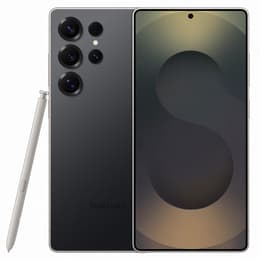
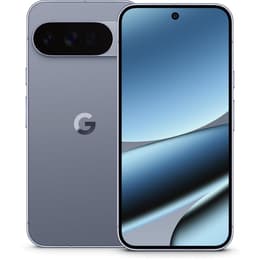
Galaxy S25 Ultra Vs Google Pixel 10 Pro XL
- 1-year minimum warranty
- Free delivery on all orders
- Free 30-day returns
Differences at a glance
The Samsung Galaxy S25 Ultra (2025) and the Google Pixel 10 Pro XL (2025) represent the pinnacle of large-screen Android smartphone engineering. While both devices deliver top-tier display quality and robust hardware capabilities, they distinctively cater to different user preferences through software ecosystems and design choices. Running on separate user interfaces built atop the Android operating system, these flagships prioritize different daily experiences.
Available Models
Colour
Storage
Scores
Durability
Both smartphones provide robust long-term support timelines, though their hardware durability and update schedules exhibit slight variations.
- Software longevity: Both manufacturers pledge extensive operating system upgrade paths and security patches stretching across multiple years, ensuring long-term software relevance.
- Repairability and build: Both models utilize sturdy titanium or reinforced glass frames with high-grade water resistance ratings, though professional repair accessibility varies slightly by region.
- Expected lifespan: High-capacity internal power cells and high-tier processing components ensure both devices maintain efficient daily utility across several years of ownership.
Year of Release
2025
2025
Compatible with latest Update
Yes
Yes
OS
Android
Android
Foldable
No
No
Performance
System responsiveness and everyday operational speed are exceptional on both models, driven by high-capacity memory configurations and efficient processor architectures.
- Multitasking efficiency: Generous memory allocations allow seamless switching between demanding applications, heavy background processes, and multiple split-screen windows without noticeable stutter.
- App loading and gaming: Current-generation processing hardware handles graphic-intensive mobile games and complex resource-heavy software smoothly while maintaining stable thermal management.
- Battery behavior: Large internal power units easily support a full day of mixed usage, backed by fast wired charging capabilities and convenient wireless charging options.
Screen quality
Viewing experiences on both handsets excel thanks to advanced organic light-emitting display panels that offer striking visual clarity.
- Display technology and clarity: Both models utilize vibrant OLED panels with high resolutions, delivering deep black levels, sharp text rendering, and accurate color reproduction.
- Outdoor visibility: High peak brightness capabilities ensure screen content remains easily legible even under direct sunlight or in brightly lit environments.
- Refresh rate smoothness: Adaptive refresh rates scale dynamically up to 120Hz, providing fluid scrolling through web pages and smooth animation transitions.
Resolution
1440x3120
1344 x 2992
Audiovisual
Optics and multimedia performance are major focal points for both devices, offering versatile toolsets for photo and video creation.
- Camera versatility: Multi-lens rear arrays feature primary, ultra-wide, and dedicated telephoto options that capture sharp details across various focal lengths.
- Low-light and video performance: Advanced image processing algorithms effectively reduce visual noise in dim settings, while stable video recording handles high-resolution capture smoothly.
- Media consumption: Stereo speaker configurations deliver balanced audio output for music and video playback, complemented by clear microphone arrays for calls.
Front camera
12
42 megapixels
Miscellaneous
Practical daily usability elements, connectivity features, and physical handling characteristics define the ergonomic footprint of each handset.
- Connectivity standards: Comprehensive wireless capabilities include fast 5G data support, modern Wi-Fi protocols, and precise satellite positioning sensors.
- Biometric security: Fast and responsive under-display fingerprint sensors alongside secure facial recognition options provide convenient device unlocking.
- Handling and dimensions: Generous screen sizes result in substantial physical footprints, with subtle differences in corner curvature and weight distribution affecting one-handed grip.
Weight
218 g
232 g
Screen size (in)
6.9
6.8
Network
5G
5G
SIM card
Dual Physical SIM
Physical SIM + eSIM
Carrier compatibility
Unlocked
Unlocked
Connector
USB-C
USB-C
What the community thinks
User discussions across tech communities frequently highlight the Samsung Galaxy S25 Ultra for its integrated stylus functionality, versatile zoom capabilities, and extensive productivity tools. At the same time, users often praise the Google Pixel 10 Pro XL for its clean software interface, intuitive voice-driven features, and natural photographic color tuning. Common criticisms for both models generally point toward their large physical footprints and hefty weights, which can feel demanding during extended one-handed use.
Users prioritizing productivity, a built-in writing utensil, and extensive manual camera controls may prefer the Samsung Galaxy S25 Ultra. Conversely, users prioritizing streamlined software, minimalist design aesthetics, and automated photo optimization will find the Google Pixel 10 Pro XL well-suited to their needs. Exploring a quality-assured refurbished option provides an eco-friendly alternative for acquiring either of these advanced smartphones while supporting more sustainable technology consumption.