

Compare models

Galaxy S25 FE Vs OnePlus 10 Pro

  • 1-year minimum warranty
  • Free delivery on all orders
  • Free 30-day returns
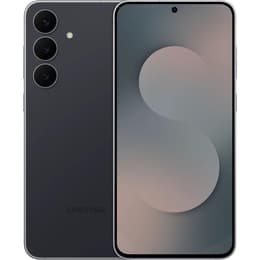
Galaxy S25 FE
Starting at

Refurbished price:415.00

Versus €750.00 new

See options
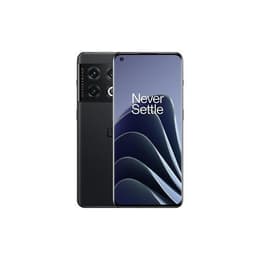
OnePlus 10 Pro
Starting at

Refurbished price:299.00

Versus €899.00 new

See options

Differences at a glance

The Samsung Galaxy S25 FE (2025) and the OnePlus 10 Pro (2022) are high-performance smartphones catering to users seeking premium capabilities in daily mobile computing. While separated by several years of release, both devices offer large screen formats, capable multi-camera arrays, and robust processing power. They operate on the Android ecosystem, though each features distinct software interfaces and update timelines that shape the long-term user experience.

Available Models

Colour

Storage (GB)

Scores

Durability

When examining longevity and hardware endurance, these two smartphones reflect different stages in the device lifecycle, influencing software support windows and expected utility.

  • Release timeline and support: The Galaxy S25 FE arrived later in 2025, benefiting from an extended software support window that stretches well into the next decade. The OnePlus 10 Pro, launched in early 2022, operates closer to the middle of its major update cycle.
  • Repairability and build: Both models utilize sturdy aluminum frames and glass backs with high-durability protection layers, though professional repair availability is more widespread for established older hardware.
  • Lifespan expectations: The Galaxy S25 FE provides a longer horizon for security patches, while the OnePlus 10 Pro remains functional for users prioritizing immediate performance over future-proofing.

Year of Release

2025

2022

Compatible with latest Update

Yes

Yes

OS

Android

Android

Foldable

No

No

Performance

Underneath the surface, both handsets are equipped to handle demanding daily workloads, ranging from extensive multitasking to graphic-heavy applications.

  • Processing and multitasking: Both devices manage rapid app switching and intensive software smoothly, supported by generous RAM configurations and efficient thermal management.
  • Storage capacity: Configurations typically start at generous baseline storage levels with options for larger capacity tiers, though neither model includes expandable storage slots.
  • Battery behavior: Each device packs a large capacity battery designed to clear a standard day of mixed use, though charging speeds differ significantly between the two models during replenishment cycles.

Screen quality

Visual output is a central focus for both smartphones, offering bright and expansive viewing surfaces suitable for media consumption and reading.

  • Display technology: Both utilize vibrant OLED panels that deliver deep contrast levels, rich colors, and wide viewing angles for everyday tasks.
  • Refresh rate and smoothness: Dynamic refresh rates scaling up to high frequencies ensure fluid scrolling through web pages and responsive touch feedback during gaming.
  • Outdoor legibility: High peak brightness capabilities allow both screens to remain clearly readable under direct sunlight or bright outdoor environments.

Audiovisual

Imaging hardware on these smartphones incorporates versatile lens setups designed to capture varied perspectives in diverse lighting conditions.

  • Primary camera performance: Main sensors equipped with stabilization technology capture sharp details and balanced dynamic range during daytime and low-light scenarios.
  • Secondary lenses: Both include ultra-wide options, while distinct telephoto or specialized wide-angle configurations cater to landscape and distant subject photography.
  • Video and audio: High-definition video recording features steady stabilization and clear audio capture via built-in microphone arrays, complemented by stereo speakers for media playback.

Miscellaneous

Practical daily usability is shaped by physical dimensions, connectivity standards, and biometric security features built into each chassis.

  • Connectivity and ports: Both feature modern 5G cellular capabilities, advanced Wi-Fi standards, and USB Type-C connectivity for wired data transfer and charging.
  • Physical handling: The Galaxy S25 FE features a slimmer profile, while the OnePlus 10 Pro presents a slightly contoured body shape that influences grip comfort.
  • Biometric security: Reliable optical or ultrasonic in-display fingerprint sensors and facial recognition options provide swift, secure device unlocking.

Weight

190 g

201 g

Screen size (in)

6.7

6.7

Network

5G

5G

SIM card

Physical SIM + eSIM

Dual Physical SIM

Carrier compatibility

Unlocked

Unlocked

What the community thinks

User community discussions highlight distinct preferences for each device based on real-world usage patterns. Owners of the Galaxy S25 FE frequently praise its modern software environment, thin profile, and long-term update commitment. Conversely, users of the OnePlus 10 Pro often highlight its rapid charging capabilities and expansive display quality. Common criticisms for the older model center around approaching the end of its primary software support window, while the newer model occasionally draws notes for incremental generational changes.

Users prioritizing extended software longevity and a contemporary release cycle will find the Galaxy S25 FE well-suited to their needs, while users focusing on rapid charging solutions may lean toward the OnePlus 10 Pro. Choosing a quality-assured refurbished option provides an eco-friendly way to access these advanced features while supporting sustainable electronics consumption. Ultimately, the right choice depends on whether long-term system updates or specific hardware charging speeds carry higher priority in daily use.