

Compare models
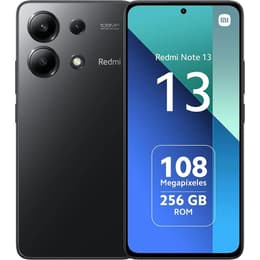
Galaxy S24+ Vs Xiaomi Redmi Note 13 4G
- 1-year minimum warranty
- Free delivery on all orders
- Free 30-day returns
Differences at a glance
The Samsung Galaxy S24+ (2024) and the Xiaomi Redmi Note 13 4G (2024) are smartphones designed for distinct segments of the mobile market. While both devices run on the Android operating system, they approach everyday functionality through very different hardware classes. The primary differentiators between the two models center around processing power, build architecture, and display fidelity, positioning each device for divergent user expectations.
Available Models
Colour
Storage (GB)
Scores
Durability
When examining longevity and build endurance, the Galaxy S24+ and Xiaomi Redmi Note 13 4G offer different expectations for long-term usage.
- Software support timelines: The Galaxy S24+ provides extended operating system upgrades spanning seven years, whereas the Xiaomi Redmi Note 13 4G follows a shorter software maintenance schedule typical of mid-range devices.
- Build durability and materials: The Galaxy S24+ incorporates high-grade aluminum and reinforced glass protection alongside robust water resistance, while the Xiaomi Redmi Note 13 4G utilizes plastic frames and basic splash resistance.
- Expected practical lifespan: Premium internal components allow the Galaxy S24+ to maintain long-term reliability under heavy loads, whereas the Xiaomi model suits lighter, everyday usage patterns over its lifecycle.
Year of Release
2024
2024
Compatible with latest Update
Yes
Yes
OS
Android
Android
Foldable
No
No
Performance
Performance capabilities define how each device handles multitasking, app loading, and daily operational demands.
- System responsiveness and multitasking: The Galaxy S24+ handles demanding applications, intense multitasking, and modern mobile gaming effortlessly, while the Xiaomi Redmi Note 13 4G manages routine tasks, social media, and web browsing smoothly with occasional pauses during heavier loads.
- Memory and storage configurations: The Galaxy S24+ features generous RAM allocations to keep multiple background processes active, whereas the Xiaomi model offers balanced storage tiers suited for standard media collections.
- Battery behavior: Both devices manage daily energy consumption reliably, though the Galaxy S24+ pairs high-capacity power management with efficient components to sustain heavy workflows throughout the day.
Screen quality
Viewing experiences differ notably across both handsets in terms of panel technology, clarity, and outdoor legibility.
- Display technology and clarity: The Galaxy S24+ features a high-resolution dynamic panel delivering exceptionally sharp text and deep contrast, while the Xiaomi Redmi Note 13 4G employs a vibrant AMOLED screen that offers pleasing color reproduction for daily media consumption.
- Outdoor visibility: High peak brightness levels on the Galaxy S24+ ensure clear readability under direct sunlight, whereas the Xiaomi display remains adequately visible during standard daylight conditions.
- Refresh rate and smoothness: Both devices support rapid refresh rates that ensure fluid scrolling through web pages, menus, and user interfaces.
Resolution
1440 x 3120
1080 x 2400
Screen type
Dynamic LTPO AMOLED 2X
AMOLED
Audiovisual
Photography and multimedia recording capabilities vary across the lens arrays and internal processing systems of both models.
- Camera system versatility: The Galaxy S24+ utilizes a versatile multi-lens setup including a dedicated telephoto option for optical zoom, while the Xiaomi Redmi Note 13 4G focuses on a high-resolution main sensor for detailed everyday snapshots.
- Low-light and video performance: Advanced image processing on the Galaxy S24+ preserves details in challenging lighting and records stable, high-definition video, whereas the Xiaomi device performs well in balanced lighting environments.
- Audio and media consumption: Stereo speaker configurations on both smartphones provide clear sound output for calls, podcasts, and casual video viewing.
Main camera
50 megapixels
108 megapixels
Front camera
12 megapixels
16 megapixels
Miscellaneous
Practical daily features, connectivity standards, and physical dimensions shape the handling and usability of each phone.
- Connectivity options: The Galaxy S24+ includes modern 5G connectivity and advanced wireless standards, while the Xiaomi Redmi Note 13 4G is restricted to 4G networks.
- Physical dimensions and handling: The Galaxy S24+ offers a balanced weight distribution within a refined chassis, whereas the Xiaomi model features a lightweight profile that rests comfortably in one hand.
- Authentication sensors: Both devices incorporate responsive biometric security features, utilizing under-display fingerprint sensors and facial recognition for quick unlocking.
Weight
197 g
175 g
Screen size (in)
6.7
6.67
Network
5G
4G
SIM card
Physical SIM + eSIM
Dual Physical SIM
Carrier compatibility
Unlocked
Unlocked
Connector
USB-C
USB-C
What the community thinks
User feedback from online communities highlights distinct preferences for each smartphone. Owners of the Galaxy S24+ frequently praise its robust build quality, fluid multitasking performance, and extended software support timeline. Conversely, users of the Xiaomi Redmi Note 13 4G often note satisfaction with its vibrant display and reliable daily battery endurance for standard messaging and web browsing. Common discussions occasionally mention that the Xiaomi model can stutter under heavy gaming loads, while the Galaxy S24+ represents a larger financial commitment when purchased brand new.
Users prioritizing high-end processing power, advanced multi-lens photography, and long-term software updates will find the Galaxy S24+ well-suited to their needs. Meanwhile, users focusing on essential daily tasks like media streaming, messaging, and casual browsing may prefer the balanced approach of the Xiaomi Redmi Note 13 4G. For shoppers seeking a sustainable choice, a quality-assured refurbished option provides a reliable, eco-friendly alternative that extends device lifecycles without compromising on performance standards.