

Galaxy S22+ 5G Vs iPhone 16 Pro Max

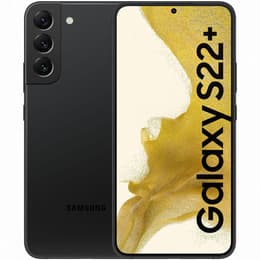
Galaxy S22+ 5G
Galaxy S22+ 5G
Starting at

Refurbished price:194.00

Versus €1,174.01 new

See options
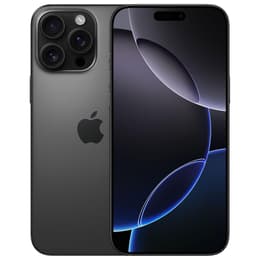
iPhone 16 Pro Max
iPhone 16 Pro Max
Starting at

Refurbished price:821.00

Versus €1,489.00 new

See options

Ratings

The Samsung Galaxy S22 Plus 5G, released in February 2022, and the iPhone 16 Pro Max, launched in September 2024, represent different generations and operating systems within the premium smartphone market. While the Galaxy S22 Plus operates on Android, the iPhone 16 Pro Max runs on Apple's iOS platform. Key differentiators between these two devices include their respective release timelines, core processing capabilities, and advancements in camera technology, reflecting the evolution of smartphone design and features over a two-year period.

Scores

Durability

The expected practical lifespan of a smartphone is significantly influenced by its release date and the manufacturer's software support policy. The Galaxy S22 Plus, released in early 2022, typically receives major Android operating system updates for approximately four to five years and security updates for five years from its launch.

  • OS Support: The iPhone 16 Pro Max, being a 2024 model, benefits from Apple's longer software support, generally receiving major iOS updates for six to seven years from its release. This provides an extended period of access to new features and security enhancements.
  • Repairability: Both devices feature robust builds with IP68 ratings for dust and water resistance. While specific repairability scores can vary, the availability of parts and service for newer devices like the iPhone 16 Pro Max may be more prevalent for a longer duration.
  • Practical Lifespan: Users prioritizing the longest possible software longevity and access to the latest features will find the iPhone 16 Pro Max offers a more extended practical lifespan due to its newer release and Apple's update cycle.

Year of Release

2022

2024

Compatible with latest Update

Yes

Yes

Foldable

No

No

Performance

Performance differences between these two devices stem primarily from their generational gap and distinct operating system optimizations. The iPhone 16 Pro Max, with its more recent processor, offers a notable advantage in raw computational power and efficiency.

  • Processing Power: The Galaxy S22 Plus is powered by a processor from early 2022, which capably handles everyday tasks and most demanding applications. The iPhone 16 Pro Max features a processor from late 2024, designed for enhanced speed and efficiency, particularly noticeable in intensive tasks like advanced gaming, complex video editing, and AI-driven applications.
  • Multitasking and Responsiveness: Both devices offer smooth multitasking experiences with ample RAM. The iPhone 16 Pro Max's newer hardware and iOS optimizations contribute to a highly responsive user interface and faster app loading times, especially with newer, more demanding applications.
  • Battery Behavior: The Galaxy S22 Plus is equipped with a 4500 mAh battery, providing sufficient power for a full day of typical use. The iPhone 16 Pro Max, with a 4685 mAh battery and a more power-efficient processor, is designed for extended endurance, offering up to 33 hours of video playback.

Memory (GB)

8 GB

8 GB

Screen quality

Both smartphones offer high-quality displays, but the iPhone 16 Pro Max incorporates more recent advancements in display technology, resulting in a more refined visual experience.

  • Display Technology and Size: The Galaxy S22 Plus features a 6.6-inch Dynamic AMOLED 2X display with a 1080 x 2340 pixel resolution. The iPhone 16 Pro Max boasts a larger 6.9-inch LTPO Super Retina XDR OLED display with a higher 2868 x 1320 pixel resolution. The iPhone's display also includes Dynamic Island and an Always-On feature.
  • Brightness and Clarity: The Galaxy S22 Plus offers a peak brightness of up to 1750 nits, ensuring good visibility in bright conditions. The iPhone 16 Pro Max reaches up to 2000 nits peak outdoor brightness, providing superior clarity and readability under direct sunlight.
  • Refresh Rate and Smoothness: Both devices feature adaptive refresh rates up to 120Hz, contributing to smooth scrolling and fluid animations. The iPhone 16 Pro Max's ProMotion technology allows for a wider adaptive range, optimizing power consumption while maintaining visual fluidity.

Resolution

1080 x 2340

1320 x 2868

Screen type

Dynamic AMOLED 2X

LTPO Super Retina XDR OLED

Audiovisual

The camera systems on both devices are capable, but the iPhone 16 Pro Max, as a newer flagship, integrates more advanced hardware and computational photography features.

  • Rear Camera System: The Galaxy S22 Plus features a versatile triple camera setup with a 50MP main sensor, a 12MP ultrawide, and a 10MP telephoto lens with 3x optical zoom. The iPhone 16 Pro Max also has a triple camera system, including a 48MP main sensor, a 48MP ultrawide lens, and a 12MP telephoto lens with 5x optical zoom. The iPhone's main sensor also enables 2x telephoto shots.
  • Photography Performance: The Galaxy S22 Plus delivers excellent photos with good clarity and color reproduction in various conditions. The iPhone 16 Pro Max offers enhanced low-light performance and improved detail capture, particularly with its higher-resolution ultrawide sensor and advanced computational photography.
  • Video Recording and Audio: Both phones support high-resolution video recording. The iPhone 16 Pro Max can record 4K video at 120 frames per second, offering more options for slow-motion and high-fidelity video capture. Both devices provide quality microphone performance for calls and video recording, and stereo speakers for media consumption.

Main camera

50 megapixels

48 megapixels

Front camera

10 megapixels

12 megapixels

Miscellaneous

Beyond core features, several practical elements differentiate these two smartphones, impacting daily usability and interaction.

  • Connectivity and Ports: The Galaxy S22 Plus supports 5G and Wi-Fi 6E, along with Bluetooth 5.2. The iPhone 16 Pro Max features more advanced 5G capabilities, Wi-Fi 7, and Bluetooth 5.3, offering faster and more stable wireless connections. Both utilize a USB-C port for charging and data transfer, with the iPhone 16 Pro Max supporting faster Thunderbolt speeds.
  • Biometric Security and Interaction: The Galaxy S22 Plus uses an in-display fingerprint sensor for secure unlocking. The iPhone 16 Pro Max relies on Face ID for biometric authentication and introduces an Action Button and a new capacitive Capture Button for quick access to functions.
  • Build Materials and Ergonomics: The Galaxy S22 Plus features a glass front and back with an aluminum frame. The iPhone 16 Pro Max utilizes a titanium frame, Ceramic Shield front, and textured matte glass back, contributing to its durability and premium feel. The iPhone 16 Pro Max is slightly larger and heavier at 163 x 77.6 x 8.25 mm and 227g, compared to the Galaxy S22 Plus's 157.4 x 75.8 x 7.6 mm and 195g.

Weight

195 g

227 g

Screen size (in)

6.6

6.9

Network

5G

5G

SIM card

Physical SIM + eSIM

Physical SIM + eSIM

Carrier compatibility

Unlocked

Unlocked

Connector

USB-C

USB-C (USB 3)

User feedback for the Galaxy S22 Plus often praises its vibrant display, capable camera, and overall solid performance for daily use. Some common criticisms have included initial concerns about battery life, though updates and usage patterns have reportedly improved this for many. The iPhone 16 Pro Max, being a more recent release, is lauded for its significant advancements in processing power, camera capabilities, and display technology, along with its extended software support. Users appreciate its robust build and enhanced connectivity options. Potential considerations for some users might include its larger physical size and weight.

Users prioritizing a device with the longest possible software support and the latest advancements in mobile technology, particularly in processing and camera features, may find the iPhone 16 Pro Max well-suited to their needs. Its larger display and enhanced battery life also cater to those who consume a lot of media or require extended usage. Conversely, users who prefer the Android ecosystem and a slightly more compact form factor, while still desiring a premium experience, might lean towards the Galaxy S22 Plus. Both devices offer a high-quality smartphone experience, and choosing between them often comes down to preference for operating system, specific feature priorities, and the desire for the most current hardware. For those seeking a more sustainable choice, considering a quality-assured refurbished option for either model can be an eco-friendly alternative.


See all articles

Our recent comparisons