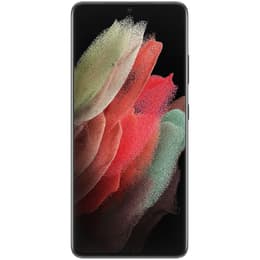
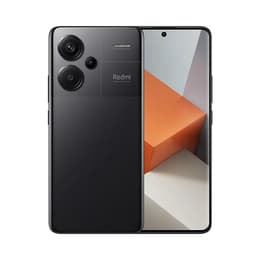


Galaxy S21 Ultra 5G Vs Xiaomi Redmi Note 13 Pro+

Galaxy S21 Ultra 5G
Galaxy S21 Ultra 5G
Starting at

Refurbished price:228.00

Versus €1,297.00 new

See options
Xiaomi Redmi Note 13 Pro+
Starting at

Refurbished price:198.00

Versus €449.00 new

See options

Ratings

The Samsung Galaxy S21 Ultra 5G, released in January 2021, and the Xiaomi Redmi Note 13 Pro+, launched globally in January 2024, represent different approaches to smartphone design and functionality. While both devices offer robust feature sets, the Galaxy S21 Ultra 5G emphasizes a premium flagship experience with advanced camera capabilities and display technology from its era, whereas the Redmi Note 13 Pro+ focuses on delivering a strong balance of modern features, particularly in its main camera and charging speed, within a more recent release. Both operate on the Android platform, providing users with a familiar and customizable software environment.

Scores

Durability

When considering the longevity of these devices, their respective release timelines and software support policies are key factors.

  • Release Timeline and Software Support: The Galaxy S21 Ultra 5G, released in January 2021, launched with Android 11 and has received major OS updates up to Android 14. Its official software support for major Android versions has concluded, with security updates likely extending into early 2026. In contrast, the Redmi Note 13 Pro+, launched in January 2024, shipped with Android 13 and is expected to receive three major Android OS updates, extending its support to Android 16, along with four years of security updates until January 2028.
  • Build Materials and Durability: Both devices feature Corning Gorilla Glass Victus for display protection, offering a high level of scratch and drop resistance. The Galaxy S21 Ultra 5G utilizes an aluminum frame and a glass back, contributing to a premium feel. The Redmi Note 13 Pro+ also incorporates an aluminum frame and a glass back, with some variants offering a vegan leather finish. Both phones carry an IP68 rating, indicating strong resistance to dust and water immersion.
  • Expected Practical Lifespan: Users prioritizing the latest software features and extended security updates will find the Redmi Note 13 Pro+ offers a longer period of official support. The Galaxy S21 Ultra 5G, while still a capable device, is nearing the end of its official software update cycle, which may influence its practical lifespan for users who value up-to-date software.

Year of Release

2021

2023

Compatible with latest Update

Yes

Yes

OS

Android

Android

Foldable

No

No

Performance

The performance of a smartphone is crucial for daily operations, from launching applications to handling demanding tasks. Both devices offer capable performance for their respective generations.

  • Processor Capabilities: The Galaxy S21 Ultra 5G is equipped with a flagship-tier processor from 2021, designed to handle intensive applications and multitasking with efficiency. The Redmi Note 13 Pro+ features a modern upper-mid-range processor from 2023, which provides a responsive experience for everyday use and most popular games. While both deliver smooth navigation, the Galaxy S21 Ultra 5G may offer slightly more sustained performance during graphically demanding tasks or prolonged heavy usage.
  • Memory and Storage: The Galaxy S21 Ultra 5G typically comes with 12GB or 16GB of RAM and storage options up to 512GB, utilizing UFS 3.1 technology for fast data access. The Redmi Note 13 Pro+ offers 8GB, 12GB, or 16GB of LPDDR5 RAM and up to 512GB of UFS 3.1 storage, also ensuring quick app loading and efficient multitasking. Neither device supports expandable storage via microSD cards.
  • Battery Behavior: Both smartphones are equipped with a 5000 mAh battery. The Galaxy S21 Ultra 5G's battery performance is generally sufficient for a full day of moderate use, though heavy usage, especially with its high-resolution display, can lead to more frequent charging. The Redmi Note 13 Pro+ also provides a full day of use for many users, and features 120W fast charging technology, allowing for very rapid recharges.

Memory (GB)

12 GB

12 GB

Screen quality

The display is a primary interface for smartphone interaction, and both devices offer high-quality viewing experiences with distinct characteristics.

  • Display Technology and Resolution: The Galaxy S21 Ultra 5G features a 6.8-inch Dynamic AMOLED 2X display with a QHD+ resolution (3200x1440 pixels), resulting in a pixel density of 515 PPI. This provides exceptionally sharp and detailed visuals. The Redmi Note 13 Pro+ has a 6.67-inch AMOLED display with a 1.5K resolution (2712x1220 pixels), offering a pixel density of 446 PPI. Both displays deliver vibrant colors and deep blacks.
  • Refresh Rate and Brightness: Both devices feature a 120Hz refresh rate, contributing to smoother scrolling and more fluid animations. The Galaxy S21 Ultra 5G offers an adaptive refresh rate that can scale down to conserve battery. Both displays can reach high peak brightness levels, with the Redmi Note 13 Pro+ capable of up to 1800 nits and the Galaxy S21 Ultra 5G reaching 1500 nits, ensuring good visibility even in bright outdoor conditions.
  • Viewing Experience: The Galaxy S21 Ultra 5G's larger size and higher resolution provide an expansive and highly detailed viewing area, suitable for media consumption and productivity. The Redmi Note 13 Pro+ features a curved display, which can enhance the immersive feel of content.

Resolution

1440 x 3200

1220 x 2712

Screen type

Dynamic AMOLED 2X

AMOLED

Audiovisual

Camera capabilities are a significant differentiator for many users, and these two smartphones offer distinct photographic strengths.

  • Rear Camera Systems: The Galaxy S21 Ultra 5G boasts a versatile quad-camera setup, including a 108MP main sensor with optical image stabilization (OIS), a 12MP ultrawide lens, a 10MP telephoto lens with 3x optical zoom, and a 10MP periscope telephoto lens with 10x optical zoom. This configuration excels in offering a wide range of focal lengths and impressive zoom capabilities. The Redmi Note 13 Pro+ features a triple-camera system with a 200MP main sensor (OIS), an 8MP ultrawide lens, and a 2MP macro lens. Its high-megapixel main sensor can capture highly detailed images.
  • Photography Performance: The Galaxy S21 Ultra 5G is known for its strong performance across various lighting conditions, particularly its ability to capture distant subjects with clarity due to its optical zoom lenses. The Redmi Note 13 Pro+ can produce very detailed photos from its main sensor in good lighting, and its OIS helps in low-light scenarios. However, its secondary cameras are less versatile than those on the S21 Ultra 5G.
  • Video Recording and Front Camera: Both devices support 4K video recording, with the Galaxy S21 Ultra 5G also capable of 8K video capture. The S21 Ultra 5G has a 40MP front camera, while the Redmi Note 13 Pro+ features a 16MP front camera, both suitable for high-quality selfies and video calls.

Main camera

108 megapixels

200 megapixels

Front camera

40 megapixels

16 megapixels

Miscellaneous

Beyond core performance and display, several other features contribute to the overall user experience and practical utility of a smartphone.

  • Connectivity and Ports: Both devices support 5G connectivity for fast mobile data. The Galaxy S21 Ultra 5G includes Wi-Fi 6E, offering access to the 6GHz band for potentially faster and less congested wireless connections, while the Redmi Note 13 Pro+ supports Wi-Fi 6. Both utilize a USB-C port for charging and data transfer and lack a traditional 3.5mm headphone jack.
  • Biometrics and Sensors: Both smartphones incorporate in-display fingerprint sensors for secure and convenient unlocking. The Galaxy S21 Ultra 5G also supports S Pen functionality, offering an additional input method for note-taking and drawing, though the S Pen is sold separately.
  • Dimensions and Handling: The Galaxy S21 Ultra 5G is slightly larger and heavier, measuring around 165.1 x 75.6 x 8.9 mm and weighing approximately 227-229 grams. The Redmi Note 13 Pro+ is a bit more compact and lighter at about 161.4 x 74.2 x 8.9 mm and 199-204.5 grams, which might make it feel more manageable for some users.

Weight

227 g

204 g

Screen size (in)

6.8

6.67

Network

5G

5G

SIM card

Physical SIM + eSIM

Dual Physical SIM

Carrier compatibility

Unlocked

Unlocked

The Samsung Galaxy S21 Ultra 5G and the Xiaomi Redmi Note 13 Pro+ cater to slightly different user priorities, reflecting their respective release years and design philosophies. The Galaxy S21 Ultra 5G is often praised for its highly versatile camera system, particularly its optical zoom capabilities, and its vibrant, high-resolution display. Users frequently highlight its premium build quality and the added utility of S Pen support. Some common criticisms, however, have revolved around its battery life under heavy use and its software support cycle now concluding.

The Redmi Note 13 Pro+ receives positive feedback for its impressive 200MP main camera, its rapid 120W fast charging, and its extended software update commitment. Users appreciate its modern design and robust display protection. Potential areas of concern for some users might include the performance of its secondary cameras compared to more premium devices, and its overall performance for sustained, extremely demanding tasks.

Users prioritizing a highly flexible camera system with strong optical zoom, a top-tier display, and a premium build may find the Galaxy S21 Ultra 5G well-suited to their needs. Conversely, those who value a newer device with a longer software support window, a high-megapixel main camera, and exceptionally fast charging will likely lean towards the Redmi Note 13 Pro+. Both devices offer compelling features, and choosing between them often comes down to individual preferences for camera versatility versus software longevity and charging speed. For those seeking an eco-friendly alternative, both models are available as quality-assured refurbished options, extending their lifecycle and offering a sustainable choice.


See all articles

Our recent comparisons