

Galaxy S20 FE Vs Xiaomi Redmi Note 13 Pro

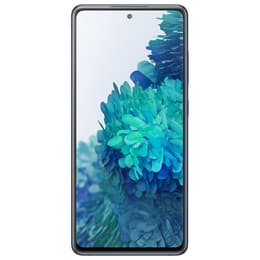
Galaxy S20 FE
Galaxy S20 FE
Starting at

Refurbished price:129.00

Versus €779.00 new

See options
Xiaomi Redmi Note 13 Pro
Starting at

Refurbished price:179.00

Versus €349.00 new

See options

Ratings

The Samsung Galaxy S20 FE, released in October 2020, and the Xiaomi Redmi Note 13 Pro, launched globally in January 2024, represent different generations and design philosophies within the smartphone market. While both devices aim to deliver a comprehensive user experience, the Redmi Note 13 Pro benefits from more recent advancements in display technology and camera sensors, whereas the Galaxy S20 FE offered flagship-tier performance at its release. Both operate on the Android platform, though with different custom user interfaces and update timelines.

Scores

Durability

When considering the practical lifespan of these devices, their release timelines and software support are key factors.

  • Release Timeline: The Galaxy S20 FE was introduced in October 2020, making it a device from an earlier generation. The Redmi Note 13 Pro, with its global launch in January 2024, is a much newer device.
  • OS Support: The Galaxy S20 FE launched with Android 10 and received updates up to Android 13, meaning it has likely reached the end of its major OS update cycle. The Redmi Note 13 Pro, launching with Android 13, is expected to receive three major OS updates and four years of security updates, offering a longer period of software support.
  • Durability Features: The Galaxy S20 FE features an IP68 rating for dust and water resistance, indicating robust protection against immersion. The Redmi Note 13 Pro has an IP54 rating, providing protection against dust and splashes, but not full immersion. The Galaxy S20 FE uses Gorilla Glass 3 for its display, while the Redmi Note 13 Pro features the more advanced Gorilla Glass Victus, offering enhanced scratch and drop resistance.

Year of Release

2020

2023

Compatible with latest Update

No

Yes

OS

Android

Android

Foldable

No

No

Performance

The performance capabilities of these smartphones reflect their respective release periods and design priorities.

  • Processing Power: The Galaxy S20 FE, at its launch, featured a processor that delivered smooth performance for demanding applications and multitasking. The Redmi Note 13 Pro, being a newer device, is equipped with a current-generation processor designed for efficient handling of modern apps and gaming, ensuring responsive operation.
  • Multitasking and Storage: Both devices offer various storage configurations, with the Galaxy S20 FE providing expandable storage via a microSD card, which is beneficial for users who require significant space for media and applications. The Redmi Note 13 Pro offers larger internal storage options, up to 512GB, but lacks a microSD card slot.
  • Battery Life: The Galaxy S20 FE is equipped with a 4500 mAh battery, designed to provide all-day power for typical usage. The Redmi Note 13 Pro features a larger 5000 mAh battery, which, combined with its efficient processor, generally translates to extended usage times between charges.

Memory (GB)

6 GB

8 GB

Screen quality

The visual experience on both devices is delivered through high-quality displays, though with some notable differences in technology and specifications.

  • Display Technology and Size: The Galaxy S20 FE features a 6.5-inch Super AMOLED display, known for its vibrant colors and deep blacks. The Redmi Note 13 Pro comes with a slightly larger 6.67-inch AMOLED display, also offering rich colors and contrast.
  • Resolution and Clarity: The Galaxy S20 FE provides a Full HD+ resolution of 1080 x 2400 pixels. The Redmi Note 13 Pro steps up with a 1.5K resolution of 1220 x 2712 pixels, offering a sharper visual experience.
  • Refresh Rate and Brightness: Both phones feature a 120Hz refresh rate, contributing to smoother scrolling and more fluid animations. The Redmi Note 13 Pro boasts a significantly higher peak brightness of up to 1800 nits, making it more visible in bright outdoor conditions compared to the Galaxy S20 FE.

Resolution

1080 x 2400

1220 x 2712

Screen type

Super AMOLED

AMOLED

Audiovisual

Both smartphones offer versatile camera systems, but they approach photography with different sensor technologies and capabilities.

  • Main Camera System: The Galaxy S20 FE features a triple camera setup with a 12 MP wide lens, an 8 MP telephoto lens with 3x optical zoom, and a 12 MP ultrawide lens. The Redmi Note 13 Pro highlights a 200 MP main sensor with optical image stabilization (OIS), accompanied by an 8 MP ultrawide and a 2 MP macro lens.
  • Photography Performance: The Galaxy S20 FE's camera system is known for producing balanced images with good color reproduction and the flexibility of optical zoom. The Redmi Note 13 Pro's high-resolution main sensor excels in capturing detailed images, especially in good lighting, and offers features like 4x lossless zoom.
  • Video and Front Camera: Both devices are capable of recording 4K video at 30 frames per second. For selfies, the Galaxy S20 FE has a 32 MP front camera, while the Redmi Note 13 Pro features a 16 MP front camera.

Main camera

12 megapixels

200 megapixels

Front camera

32 megapixels

16 megapixels

Miscellaneous

Beyond core specifications, several practical features differentiate these two devices in daily use.

  • Connectivity: Both phones support 5G connectivity, offering fast mobile data speeds where available. The Galaxy S20 FE supports Wi-Fi 6, while the Redmi Note 13 Pro supports Wi-Fi 5. Both include Bluetooth for wireless accessories.
  • Ports and Audio: The Galaxy S20 FE features a USB-C port but lacks a 3.5mm headphone jack. The Redmi Note 13 Pro includes both a USB-C port and a 3.5mm headphone jack, which can be convenient for users with wired audio accessories.
  • Biometrics and Design: Both devices incorporate in-display optical fingerprint sensors for secure unlocking. The Galaxy S20 FE has a plastic back and an aluminum frame, contributing to its 190g weight. The Redmi Note 13 Pro, at 187g, features a glass front and a plastic back.

Weight

190 g

187 g

Screen size (in)

6.5

6.67

Network

4G

5G

SIM card

Dual Physical SIM

Dual Physical SIM

Carrier compatibility

Unlocked

Unlocked

The Samsung Galaxy S20 FE and the Xiaomi Redmi Note 13 Pro cater to slightly different user priorities, largely due to their respective release dates and design focuses. Users often praise the Galaxy S20 FE for its balanced performance, capable camera with optical zoom, and robust IP68 water resistance, which was a significant feature at its launch. Some criticisms for the S20 FE included its plastic back, which some users felt was less premium than glass.

The Redmi Note 13 Pro, being a more recent offering, is frequently lauded for its exceptionally vibrant and sharp display, a high-resolution main camera, and a larger battery capacity with faster charging capabilities. However, some users have noted that its ultrawide and macro cameras are less impressive than the main sensor, and the lack of expandable storage might be a drawback for some.

Users prioritizing a device with a longer software update lifespan and a more advanced display for media consumption, along with a high-megapixel main camera, may find the Redmi Note 13 Pro well-suited to their needs. Conversely, those who value a device with a dedicated telephoto lens for versatile photography, a higher water resistance rating, and expandable storage might lean towards the Galaxy S20 FE. Both devices offer a solid Android experience, and choosing between them often comes down to which specific features align best with individual usage patterns. For those looking for an eco-friendly alternative, considering a quality-assured refurbished option for either model can be a practical choice.


See all articles

Our recent comparisons