


Compare models
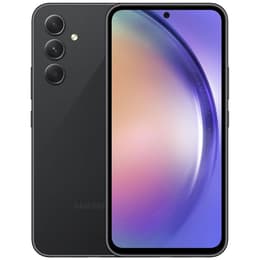
Galaxy A54 Vs Xiaomi Redmi Note 13 Pro+
- 1-year minimum warranty
- Free delivery on all orders
- Free 30-day returns
Differences at a glance
The Samsung Galaxy A54 and the Xiaomi Redmi Note 13 Pro+ are both prominent mid-range smartphones, released in 2023 and early 2024 respectively. While both devices offer a comprehensive smartphone experience, they cater to slightly different user priorities through their distinct approaches to display technology, camera capabilities, and charging speeds. The Galaxy A54 operates on Samsung's One UI atop Android, while the Redmi Note 13 Pro+ features Xiaomi's HyperOS, also based on Android.
Available Models
Colour
Storage (GB)
Scores
Durability
When considering the long-term usability of these devices, their release timelines and software support policies are key factors.
- Release Timeline: The Samsung Galaxy A54 was released in March 2023, making it a slightly older model compared to the Xiaomi Redmi Note 13 Pro+, which launched in January 2024. This difference in release date can influence the duration of future software support.
- Software Longevity: Samsung typically provides several years of Android version updates and security patches for its A-series devices, often extending to four or five years for major OS updates and five years for security updates. The Redmi Note 13 Pro+ is expected to receive three years of major OS updates and four years of security updates.
- Physical Durability: The Redmi Note 13 Pro+ features a more advanced Gorilla Glass Victus protection for its display and boasts an IP68 rating for dust and water resistance, indicating a higher level of protection against environmental elements. The Galaxy A54 comes with Gorilla Glass 5 on both its front and back, and carries an IP67 rating.
Year of Release
2023
2023
Compatible with latest Update
Yes
Yes
OS
Android
Android
Foldable
No
No
Performance
Both smartphones are designed to handle daily tasks efficiently, though they approach performance with different hardware configurations.
- Everyday Responsiveness: The Galaxy A54 provides smooth performance for general use and multitasking, though some users have reported occasional stutters, particularly with demanding applications or after certain software updates. The Redmi Note 13 Pro+ generally offers a fluid experience, with users noting its capability for gaming, although some have observed minor lags after its HyperOS update.
- Storage and Multitasking: The Redmi Note 13 Pro+ typically offers higher base storage and faster UFS 3.1 storage technology, contributing to quicker app loading and data transfer speeds. The Galaxy A54 offers expandable storage via a microSD card, a feature not present on the Redmi Note 13 Pro+, providing flexibility for users who need to expand their storage beyond the internal options.
- Battery Behavior: Both devices are equipped with 5000mAh batteries, designed to provide ample power for a full day of moderate to heavy use. The Redmi Note 13 Pro+ distinguishes itself with significantly faster 120W wired charging, allowing for very rapid recharges, while the Galaxy A54 supports 25W fast charging.
Screen quality
The visual experience on both phones is vibrant, thanks to their advanced display technologies, but with notable differences in size and clarity.
- Display Technology and Clarity: Both phones feature AMOLED displays, known for deep blacks and vivid colors. The Redmi Note 13 Pro+ boasts a 6.67-inch 1.5K CrystalRes AMOLED display with a resolution of 2712 x 1220 pixels, offering a sharper image with a higher pixel density. The Galaxy A54 has a 6.4-inch Super AMOLED display with a 1080 x 2340 pixel resolution.
- Brightness and Smoothness: Both devices offer a 120Hz refresh rate for smooth scrolling and animations. The Redmi Note 13 Pro+ can reach a peak brightness of 1800 nits, providing excellent visibility even in bright outdoor conditions. The Galaxy A54 also offers good outdoor visibility with a peak brightness of 1000 nits.
- Design and Viewing Experience: The Redmi Note 13 Pro+ features a curved display, which some users find enhances the immersive viewing experience and makes edge gestures more comfortable. The Galaxy A54 has a flat display.
Resolution
1080 x 2340
1220 x 2712
Screen type
Super AMOLED
AMOLED
Audiovisual
Both smartphones offer versatile camera systems, with distinct strengths in their photographic capabilities.
- Main Camera Performance: The Redmi Note 13 Pro+ features a 200MP main sensor with optical image stabilization (OIS) and offers up to 4x in-sensor lossless zoom, providing detailed images and flexibility for cropping. The Galaxy A54 is equipped with a 50MP main camera, also with OIS, which delivers good color reproduction and consistent results, particularly in bright daylight.
- Ultra-wide and Macro Photography: The Galaxy A54 includes a 12MP ultrawide camera and a 5MP macro lens, with its ultrawide often praised for decent quality. The Redmi Note 13 Pro+ has an 8MP ultrawide and a 2MP macro camera, with user feedback suggesting the ultrawide and macro lenses are less impressive compared to its main sensor.
- Video Recording and Selfies: Both phones support 4K video recording at 30 frames per second. The Galaxy A54 has a 32MP front-facing camera, while the Redmi Note 13 Pro+ features a 16MP front camera.
Main camera
50 megapixels
200 megapixels
Front camera
32 megapixels
16 megapixels
Miscellaneous
Beyond core features, several practical elements differentiate these two devices, impacting daily convenience and handling.
- Connectivity and Ports: Both smartphones support 5G connectivity and modern Wi-Fi standards. The Galaxy A54 includes a microSD card slot for expandable storage, a feature absent on the Redmi Note 13 Pro+. Both devices utilize USB-C for charging and data transfer.
- Biometric Security: Both phones offer under-display fingerprint sensors for secure unlocking. The Galaxy A54 also supports face unlock.
- Build Materials and Handling: The Galaxy A54 features a glass back and front with a plastic frame, contributing to a solid feel. The Redmi Note 13 Pro+ also has a glass back and a curved display, with some users noting its glossy finish can attract fingerprints. The Redmi Note 13 Pro+ is slightly heavier than the Galaxy A54.
Weight
202 g
199 g
Screen size (in)
6.4
6.67
Network
5G
5G
SIM card
Physical SIM + eSIM
Dual Physical SIM
Carrier compatibility
Unlocked
Unlocked
What the community thinks
The Samsung Galaxy A54 and the Xiaomi Redmi Note 13 Pro+ each present a compelling package in the mid-range smartphone segment, with user experiences highlighting their respective strengths and areas for consideration.
Users frequently praise the Galaxy A54 for its vibrant Super AMOLED display, reliable main camera performance in good lighting, and its robust build quality with an IP67 rating. Many appreciate Samsung's commitment to long-term software support. However, some users have noted occasional performance stutters and a slower charging speed compared to competitors. The under-display fingerprint sensor has also received mixed feedback.
The Redmi Note 13 Pro+ is often lauded for its exceptionally bright and sharp 1.5K AMOLED display, significantly faster 120W charging, and its higher IP68 dust and water resistance rating. The 200MP main camera, particularly its in-sensor zoom capabilities, is a frequent highlight. Conversely, some users have expressed concerns about battery drain after certain software updates, the less impressive performance of its ultrawide and macro cameras, and occasional software inconsistencies with HyperOS.
Users prioritizing a slightly more compact device with expandable storage and a longer software update commitment may find the Samsung Galaxy A54 well-suited to their needs. Those who value a larger, sharper, and brighter display, along with extremely fast charging and a higher level of dust and water resistance, might lean towards the Xiaomi Redmi Note 13 Pro+. Both devices offer a quality-assured refurbished option, providing an eco-friendly alternative for consumers seeking reliable technology.