

Compare models
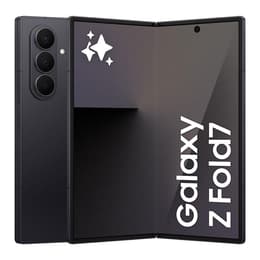
Galaxy A35 Vs Galaxy Z Fold7
- 1-year minimum warranty
- Free delivery on all orders
- Free 30-day returns
Differences at a glance
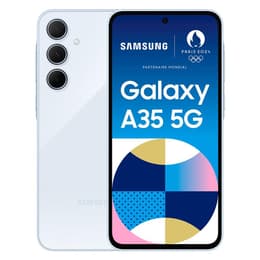
The Samsung Galaxy A35 (2024) and the Samsung Galaxy Z Fold7 (2025) represent two distinct categories of modern mobile technology, balancing a traditional mid-range smartphone design with an advanced foldable form factor. While the Galaxy A35 provides a standard candy-bar slate layout built for everyday reliability, the Galaxy Z Fold7 introduces a dual-screen expanding structure that transforms from a standard outer display into a tablet-sized inner workspace. Both devices run on Android operating systems paired with Samsung's custom interface, though they cater to entirely different structural preferences and user workflows.
Available Models
Colour
Storage
Scores
Durability
Both smartphones offer robust build qualities and extended software lifespans, though their physical mechanics and launch schedules introduce distinct structural considerations for long-term daily use.
- Software Support: Both devices receive multi-year operating system upgrades and security patches, helping maintain software relevance over extended periods of daily use.
- Build Mechanics: The Galaxy A35 features a standard rigid slate chassis with fixed glass panels, whereas the Galaxy Z Fold7 utilizes a complex folding hinge mechanism that requires careful physical handling over years of frequent opening and closing.
- Expected Lifespan: Traditional slate designs like the Galaxy A35 generally experience fewer mechanical wear points over time, while foldable devices depend heavily on the durability of their flexible inner panel and hinge engineering.
Year of Release
2024
2025
Compatible with latest Update
Yes
Yes
OS
Android
Android
Foldable
No
Yes
Performance
The internal hardware configurations of these two devices deliver vastly different levels of system responsiveness, catering respectively to casual daily tasks and demanding, intensive multitasking workflows.
- Multitasking and Speed: The Galaxy A35 handles daily communication apps, web browsing, and media streaming smoothly, while the Galaxy Z Fold7 utilizes a high-tier current-generation processor and larger memory capacity to run heavy multi-window applications and resource-intensive gaming simultaneously without stuttering.
- Storage Configurations: Both devices offer ample built-in storage tiers for media and applications, with the traditional model additionally supporting expandable storage via external memory cards.
- Battery Behavior: The Galaxy A35 relies on a large single-cell power reservoir to comfortably sustain a full day of standard use, whereas the Galaxy Z Fold7 manages power across two distinct displays, meaning intensive utilization of the larger inner screen results in more frequent charging cycles.
Screen quality
Display technology represents one of the most prominent differences between these models, scaling from a traditional single-panel viewing space to an expansive dual-screen layout.
- Display Layout: The Galaxy A35 features a single 6.6-inch flat viewing panel, whereas the Galaxy Z Fold7 provides a 6.5-inch outer cover screen that opens up to reveal a massive 8.0-inch inner display.
- Visual Clarity: Both devices employ vibrant organic light-emitting diode technology with high refresh rates, ensuring smooth scrolling, deep contrast levels, and sharp text rendering across all active panels.
- Outdoor Usability: High peak brightness capabilities on both models allow the screens to remain clearly legible under direct sunlight during outdoor navigation or reading.
Resolution
1080 x 2340
1968x2184
Audiovisual
Imaging hardware and media consumption capabilities vary significantly, reflecting the distinct physical footprints and target design goals of each product line.
- Camera Systems: The Galaxy A35 is equipped with a versatile triple-lens rear camera setup suitable for crisp everyday photography, while the Galaxy Z Fold7 features a higher-resolution flagship sensor arrangement capable of capturing detailed wide-angle shots and advanced zoom perspectives.
- Video and Audio Output: Both models support stable high-definition video recording and feature stereo speaker arrays that deliver clear audio output for hands-free calls and media playback.
- Content Creation: The foldable design of the Z Fold7 enables unique framing angles by resting the device flat on surfaces at various hinges, whereas the A35 relies on traditional tripod or handheld stabilization methods.
Miscellaneous
Physical dimensions, connectivity standards, and daily handling characteristics differ substantially due to the contrasting form factors of each device.
- Portability and Weight: The Galaxy A35 maintains a uniform profile and standard weight distribution, whereas the Galaxy Z Fold7 is thicker when closed but opens into an ultra-thin profile that distributes weight across a wider footprint.
- Connectivity: Both smartphones support modern fifth-generation cellular networks, rapid wireless local area connections, and secure biometric authentication through facial recognition or fingerprint sensors.
- Environmental Resistance: Each model incorporates designated dust and water protection ratings to guard against accidental splashes and everyday environmental exposure.
Weight
209 g
215 g
Screen size (in)
6.6
8.0
Network
5G
5G
SIM card
Dual Physical SIM
Dual Physical SIM + eSIM
Carrier compatibility
Unlocked
Unlocked
Connector
USB-C
USB-C (USB 3)
What the community thinks
User feedback highlights distinct preferences for each device based on everyday practical requirements. Owners of the Galaxy A35 frequently praise its reliable battery longevity, comfortable handling, and straightforward reliability for daily communication tasks. Conversely, users of the Galaxy Z Fold7 appreciate the expansive multitasking canvas and tablet-sized display for productivity and media consumption, though some note that the heavier weight and visible crease on the inner screen require a brief adjustment period. For consumers exploring sustainable technology options, choosing a quality-assured refurbished option provides an eco-friendly alternative to purchasing newly manufactured hardware.
Users prioritizing a straightforward, pocket-friendly device for core messaging, browsing, and media consumption may prefer the Galaxy A35, while users requiring an expansive multi-window workspace and advanced processing power for complex mobile workflows will lean toward the Galaxy Z Fold7. Evaluating personal usage habits and physical form factor preferences will ultimately guide the most suitable choice for individual day-to-day requirements.