

Compare models
Galaxy A33 5G Vs Galaxy Z Fold7
- 1-year minimum warranty
- Free delivery on all orders
- Free 30-day returns
Differences at a glance
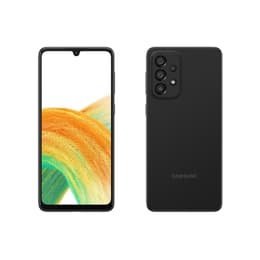
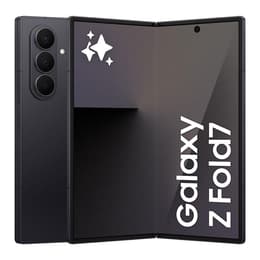
The Samsung Galaxy A33 5G (2022) and the Samsung Galaxy Z Fold7 (2025) represent two entirely different form factors and tiers within Samsung's mobile lineup, bridging the gap between a conventional mid-range smartphone and an advanced book-style foldable device. While the Galaxy A33 5G focuses on reliable, everyday smartphone essentials in a traditional slate design, the Galaxy Z Fold7 introduces a transforming dual-screen interface and flagship-grade hardware built for expanded productivity. Both devices run on Android and utilize Samsung's One UI interface, though they cater to vastly different user expectations regarding hardware engineering and daily versatility.
Available Models
Colour
Storage (GB)
Scores
Durability
Comparing the release timelines reveals a three-year gap, meaning the Galaxy Z Fold7 benefits from a more extended software support window and newer internal architecture for long-term endurance.
- Software Support Window: The Galaxy Z Fold7 receives major operating system upgrades over a significantly longer period due to its later release year, whereas the older Galaxy A33 5G reaches its software lifecycle milestones sooner.
- Build Longevity: The Galaxy A33 5G relies on standard plastic and glass construction with a fixed slate form factor, while the Galaxy Z Fold7 incorporates sophisticated hinge engineering and foldable screen layers that require careful handling over years of frequent opening and closing.
- Expected Practical Lifespan: Users seeking maximum software longevity and updated security patches will find the newer flagship model aligns better with long-term usage goals, though both handle standard daily tasks reliably while functional.
Year of Release
2022
2025
Compatible with latest Update
Yes
Yes
OS
Android
Android
Foldable
No
Yes
Performance
The internal capabilities of these two devices reflect their distinct market positions, with the Galaxy Z Fold7 delivering vast multitasking headroom compared to the modest processing speeds of the Galaxy A33 5G.
- Multitasking and App Handling: The Galaxy Z Fold7 runs demanding applications, intensive games, and multiple split-screen windows simultaneously with exceptional fluidity, backed by high-tier memory configurations.
- Everyday System Responsiveness: The Galaxy A33 5G handles standard tasks like web browsing, social media scrolling, and messaging smoothly, though heavy application switching reveals occasional loading pauses compared to flagship hardware.
- Battery Behavior: Despite the Galaxy A33 5G featuring a larger capacity power cell paired with efficient mid-range components, the Galaxy Z Fold7 optimizes power consumption effectively across its dual displays, though powering a large tablet-sized inner screen leads to higher energy draw under heavy use.
Screen quality
Display technology represents one of the most significant divergences between these models, moving from a standard single panel to a massive, transforming canvas.
- Display Technology: The Galaxy A33 5G features a traditional flat OLED screen with sharp clarity and vibrant colors, whereas the Galaxy Z Fold7 utilizes dual displays, including an expansive folding inner screen that opens up tablet-style viewing.
- Refresh Rate and Fluidity: Both devices support high refresh rates for smooth scrolling through web pages and menus, but the folding display on the flagship model provides a much larger interactive workspace for media and documents.
- Outdoor Visibility: The Galaxy Z Fold7 achieves higher peak brightness levels, making content easier to read under direct sunlight compared to the mid-range panel on the Galaxy A33 5G.
Resolution
1080 x 2400
1968x2184
Audiovisual
Optics and media consumption hardware scale dramatically between these two tiers, affecting everything from low-light photography to built-in speaker output.
- Camera System Capabilities: The Galaxy Z Fold7 incorporates a high-resolution main sensor alongside versatile secondary lenses that capture fine detail in diverse lighting conditions, outperforming the modest quad-camera arrangement on the Galaxy A33 5G.
- Video and Audio Output: Video recording on the foldable flagship benefits from advanced stabilization and processing features, while both devices offer stereo speakers that deliver clear dialogue for calls and casual video viewing.
- Media Consumption Experience: Reviewers and users note that watching videos on the unfolding large screen of the Z Fold7 provides an immersive experience that a traditional smartphone form factor cannot replicate.
Miscellaneous
Practical physical attributes, connectivity standards, and daily handling characteristics vary substantially due to the unique folding architecture of the higher-tier model.
- Handling and Portability: The Galaxy A33 5G maintains a lightweight, familiar slate profile that rests easily in one hand, while the Galaxy Z Fold7 is heavier and thicker when folded, though it unfolds into an exceptionally thin profile.
- Connectivity and Biometrics: Both models support modern 5G networks and fast Wi-Fi standards, but utilize side-mounted fingerprint sensors integrated directly into their power buttons for authentication.
- Durability Standards: The Galaxy A33 5G features conventional water resistance for a slate phone, whereas the Galaxy Z Fold7 requires specialized engineering to protect its complex folding mechanism against everyday environmental exposure.
Weight
186 g
215 g
Screen size (in)
6.4
8.0
Network
5G
5G
SIM card
Physical SIM
Dual Physical SIM + eSIM
Carrier compatibility
Unlocked
Unlocked
Connector
USB-C
USB-C (USB 3)
What the community thinks
User feedback and community discussions highlight distinct patterns of satisfaction for both devices. Owners of the Galaxy A33 5G frequently praise its dependable battery endurance, clear display quality, and straightforward reliability for daily communication. Conversely, users of the Galaxy Z Fold7 value the unique flexibility of the large folding screen for productivity and media, though some note that the heavier physical weight and visible screen crease take time to get used to. Choosing between these options depends entirely on individual workflow priorities and form-factor preferences.
Users who prioritize a lightweight, traditional smartphone experience focused on core essentials will find the Galaxy A33 5G well-suited to their daily routine. Meanwhile, users who prioritize multitasking space, expansive screen real estate for reading or working on the go, and advanced processing capabilities may lean toward the Galaxy Z Fold7. For those exploring sustainable hardware choices, opting for a quality-assured refurbished option provides an eco-friendly alternative to experience advanced mobile technology without purchasing brand-new devices.