

Galaxy A16 Vs iPhone 13 Pro Max

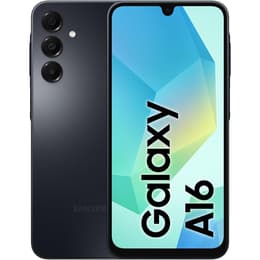
Galaxy A16
Galaxy A16
Starting at

Refurbished price:134.00

Versus €250.00 new

See options
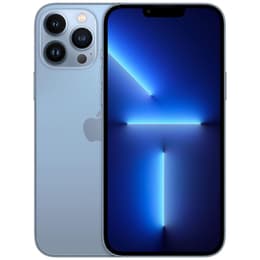
iPhone 13 Pro Max
iPhone 13 Pro Max
Starting at

Refurbished price:369.00

Versus €1,249.00 new

See options

Ratings

The Samsung Galaxy A16, released in October 2024, and the Apple iPhone 13 Pro Max, launched in September 2021, represent distinct segments of the smartphone market. While both offer large displays and robust battery life, they cater to different user priorities through their operating systems, performance capabilities, and build quality. The Galaxy A16 runs on Android with Samsung's One UI, offering extensive customization, whereas the iPhone 13 Pro Max operates on Apple's iOS, known for its integrated ecosystem and streamlined user experience.

Scores

Durability

When considering the long-term usability of these devices, their respective release timelines and software support policies are key factors.

  • Software Longevity: The Galaxy A16, being a newer device from late 2024, is promised six years of major OS upgrades and security updates, extending its software support until October 2030. In contrast, the iPhone 13 Pro Max, released in late 2021, typically receives 5-6 years of iOS updates, meaning it is already several years into its update cycle and will likely cease receiving major OS updates sooner than the A16.
  • Physical Durability: The iPhone 13 Pro Max features a more premium construction with a stainless steel frame, Ceramic Shield front cover, and an IP68 rating for superior dust and water resistance. The Galaxy A16, while offering an IP54 rating for dust and splash resistance, utilizes a plastic back.
  • Expected Practical Lifespan: Users seeking the longest possible software support from a new purchase will find the Galaxy A16's extended update promise appealing. However, the iPhone 13 Pro Max's robust build and high-quality components contribute to its physical longevity, often allowing it to remain a functional device for many years, even after major software updates conclude.

Year of Release

2024

2021

OS

Android

iOS

Foldable

No

No

Performance

The performance experience on these two devices varies significantly, reflecting their different market positions and hardware architectures.

  • Everyday Responsiveness: The iPhone 13 Pro Max, powered by a high-performance processor, delivers consistently smooth and rapid performance across all tasks, from launching demanding applications to intensive multitasking and graphic-rich gaming. Users frequently report a fluid and lag-free experience. The Galaxy A16, equipped with a mid-range processor, handles daily tasks competently, but some users have noted occasional stuttering or slowdowns, particularly during heavy use or when navigating the interface.
  • Multitasking and Storage: The iPhone 13 Pro Max comes with 6GB of RAM, which, combined with its optimized operating system, allows for seamless switching between multiple applications. It offers internal storage options up to 1TB, though it lacks expandable storage. The Galaxy A16 offers RAM configurations up to 8GB and includes a microSD card slot for expandable storage, providing flexibility for users who need to store large amounts of data or prefer physical media.
  • Battery Behavior: Both devices offer strong battery performance. The Galaxy A16 features a 5000mAh battery, providing ample power for a full day of typical use, with many users reporting excellent endurance. The iPhone 13 Pro Max, with its 4352mAh battery, is also highly praised for its exceptional battery life, often extending beyond a single day even with heavy usage.

Memory (GB)

4 GB

6 GB

Screen quality

Both smartphones feature large displays, but they differ in their underlying technology and visual characteristics.

  • Display Technology and Clarity: The iPhone 13 Pro Max boasts a 6.7-inch Super Retina XDR OLED display, offering deep blacks, vibrant colors, and sharp detail with a resolution of 2778x1284 pixels. The Galaxy A16 also features a 6.7-inch Super AMOLED display with a resolution of 1080x2340 pixels, providing good color reproduction and clarity for everyday viewing.
  • Brightness and Smoothness: The iPhone 13 Pro Max's display can reach higher brightness levels, with typical brightness at 1000 nits and peak brightness up to 1200 nits, making it highly visible in bright outdoor conditions. It also features ProMotion technology, offering an adaptive refresh rate up to 120Hz for exceptionally smooth scrolling and animations. The Galaxy A16 has a 90Hz refresh rate, which provides a smoother experience than standard 60Hz displays, and a maximum brightness of 800 nits, which is sufficient for most indoor and outdoor scenarios.
  • Viewing Experience: Users prioritizing the smoothest visual experience and superior outdoor visibility will find the iPhone 13 Pro Max's display more advanced. The Galaxy A16 offers a large, vibrant screen that is well-suited for media consumption and general use, though with slightly less fluidity and peak brightness.

Resolution

1080x2340

1284 x 2778

Screen type

Super AMOLED

Super Retina XDR OLED

Audiovisual

The camera systems on the Galaxy A16 and iPhone 13 Pro Max are designed for different photographic needs and offer distinct capabilities.

  • Rear Camera Capabilities: The iPhone 13 Pro Max features a versatile triple 12MP camera system, including wide, ultrawide, and telephoto lenses with 3x optical zoom, complemented by a LiDAR scanner for improved low-light focusing and augmented reality applications. It excels in various lighting conditions, producing detailed and color-accurate photos and videos. The Galaxy A16 comes with a 50MP main camera, a 5MP ultrawide, and a 2MP macro lens. Its main sensor performs well in good lighting, capturing clear images, but the ultrawide and macro lenses are more basic in their functionality.
  • Photography and Video Features: The iPhone 13 Pro Max offers advanced features like Cinematic Mode for video, Photographic Styles, and impressive low-light performance across all its lenses. The Galaxy A16 provides solid everyday photography, with its main camera capable of good results, and improved video quality compared to its predecessor, though it lacks some of the more advanced computational photography features found on the iPhone.
  • Front Camera and Audio: Both devices feature capable front-facing cameras for selfies and video calls, with the iPhone 13 Pro Max having a 12MP sensor and the Galaxy A16 a 13MP sensor. For audio, the iPhone 13 Pro Max delivers rich stereo sound, while the Galaxy A16 typically offers a mono speaker setup, which still provides good loudness for media consumption.

Miscellaneous

Beyond core features, several practical elements differentiate the user experience of these two smartphones.

  • Connectivity and Ports: Both devices support 5G connectivity (for the 5G variant of the A16) and modern Wi-Fi standards. The iPhone 13 Pro Max uses Apple's proprietary Lightning port, while the Galaxy A16 features a USB-C port, which is a more universal standard. The Galaxy A16 also includes a microSD card slot for expandable storage, a feature absent on the iPhone 13 Pro Max.
  • Biometric Security and Build: The iPhone 13 Pro Max relies on Face ID for secure facial recognition. Its construction involves premium materials like stainless steel and glass, contributing to its substantial weight of 240g. The Galaxy A16 incorporates a side-mounted fingerprint sensor for biometric authentication and is built with a plastic body, resulting in a lighter device at around 200g.
  • Handling and Ergonomics: The larger size and heavier build of the iPhone 13 Pro Max can make one-handed use challenging for some users, though many appreciate its solid feel. The Galaxy A16, while also a large device, is lighter and may offer a more comfortable grip for extended periods.

Weight

200 g

238 g

Screen size (in)

6.7

6.7

Network

4G

5G

SIM card

Physical SIM

Physical SIM + eSIM

Carrier compatibility

Unlocked

Unlocked

Connector

USB-C

Lightning

The Samsung Galaxy A16 and iPhone 13 Pro Max cater to different user needs and preferences, reflecting their distinct positions in the smartphone market. The iPhone 13 Pro Max is frequently praised by users for its exceptional battery life, powerful performance, and advanced camera system, which continues to hold up well years after its release. Its premium build and integrated iOS ecosystem are also strong points for those accustomed to Apple's offerings. Some common criticisms include its significant weight and the proprietary Lightning port.

Conversely, the Galaxy A16 is appreciated for its vibrant Super AMOLED display, impressive battery endurance, and the promise of extended software support. Users also value its expandable storage option. However, some feedback points to occasional performance sluggishness and a less versatile camera system compared to higher-end devices.

Users prioritizing a top-tier, consistently smooth experience with advanced photography capabilities and a premium build may find the iPhone 13 Pro Max well-suited to their needs. Those who value long-term software updates, expandable storage, and a large, bright display for everyday tasks, without the need for flagship-level performance, may lean towards the Galaxy A16. Both devices offer a large screen experience, and for those considering a quality-assured refurbished option, both models are available, providing an eco-friendly alternative to purchasing new.


See all articles

Our recent comparisons