
Samsung

Compare models
Differences at a glance
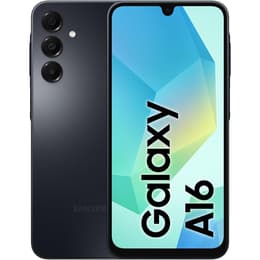
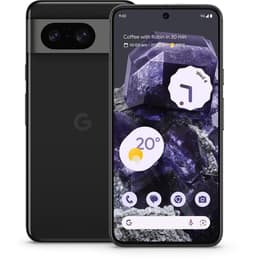
The Samsung Galaxy A16, released in late 2024, and the Google Pixel 8A, launched in May 2024, are both Android smartphones designed to offer a balanced experience. While the Galaxy A16 emphasizes a large display and extended battery life, the Pixel 8A focuses on advanced camera capabilities, a streamlined software experience, and long-term software support. Both devices run on the Android operating system, providing users with a familiar interface and access to a wide range of applications.
Colour
Storage
When evaluating the longevity of these devices, both offer substantial software support, though with different durations and implications for practical lifespan.
Year of Release
OS
Foldable
The performance capabilities of these two smartphones cater to different user expectations, primarily influenced by their internal processing power and memory configurations.
Both devices offer vibrant displays, but they differ in technology, size, and refresh rate, impacting the overall visual experience.
Resolution
Screen type
The camera systems on these smartphones present distinct approaches to photography, with the Pixel 8A leveraging computational photography and the Galaxy A16 offering a versatile triple-lens setup.
Beyond the core specifications, several practical features and design elements differentiate these two smartphones, influencing daily usability and convenience.
Weight
Screen size (in)
Network
SIM card
Carrier compatibility
The Google Pixel 8A and Samsung Galaxy A16 cater to different user priorities within the Android ecosystem. The Pixel 8A is frequently praised for its exceptional camera performance, leveraging Google's computational photography to deliver high-quality images in various conditions. Users also appreciate its long-term software support, ensuring the device remains updated and secure for many years. Some common concerns among users include occasional reports of battery life not consistently lasting two full days for heavy users and potential heating during demanding tasks.
Conversely, the Samsung Galaxy A16 is often lauded for its impressive battery life, capable of easily lasting two days for many users, and its large, vibrant Super AMOLED display. Its extended software update policy is also a significant advantage for a device in its category. However, user feedback sometimes points to performance limitations, with some experiencing lag or stuttering, particularly with lower RAM configurations, and the camera performance, especially in low light or with the ultrawide lens, is noted as being less consistent than some competitors.
Users prioritizing a top-tier camera experience, a compact design, and the longest possible software support will find the Google Pixel 8A well-suited to their needs. Its robust build and higher ingress protection also make it a durable choice. On the other hand, individuals who value a larger display, exceptional battery longevity, and expandable storage, and who primarily engage in everyday tasks, may lean towards the Samsung Galaxy A16. Both devices offer compelling features, and considering a quality-assured refurbished option can be a sustainable choice for either model, providing access to these technologies while supporting environmental responsibility.