

Compare models

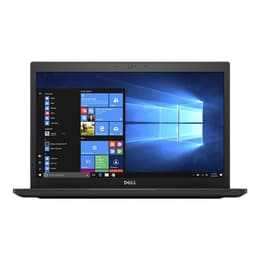
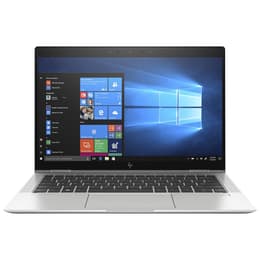
Dell Latitude 7490 14" Vs HP EliteBook X360 1030 G4 13"

  • 1-year minimum warranty
  • Free delivery on all orders
  • Free 30-day returns
Dell Latitude 7490 14"
Starting at

Refurbished price:€262.90

Versus €499.00 new

See options

Differences at a glance

The Dell Latitude 7490 14" (2018) and the HP EliteBook x360 1030 G4 13" (2019) represent business-class laptops designed for productivity, reliability, and everyday professional tasks. While both cater to office workers and students, they differ significantly in form factor and release timeline, with the Dell offering a traditional clamshell layout and the HP introducing a flexible 360-degree hinge design. Operating on standard desktop operating systems, each machine delivers secure, reliable daily computing while adopting distinct approaches to portability and physical interaction.

Available Models

Storage

Processor

Memory

Scores

Durability

When examining hardware longevity and ongoing usability, these enterprise-grade laptops differ in their release years, official support windows, and repairability structures.

  • Release timeline and age: The Dell Latitude 7490 launched slightly earlier than the HP EliteBook x360 1030 G4, meaning their baseline hardware ages differ by a year, which impacts the remaining operational window for software updates and firmware support.
  • Software longevity expectations: Both devices support mainstream desktop operating systems, though the HP model receives firmware updates for a slightly longer duration due to its later release date.
  • Repairability and physical upkeep: The Dell Latitude 7490 features a modular internal layout that simplifies component replacement, whereas the HP EliteBook x360 prioritizes a slim, sealed profile that requires more care during maintenance. Choosing a quality-assured refurbished option for either model extends device lifespans while reducing electronic waste.

Year of Release

2017

2019

Last Os Compatibility

Yes

Yes

OS

Windows 11

Windows 11

Performance

Evaluating processing capabilities, memory, and battery behavior reveals how each machine handles multitasking and demanding daily applications under typical working conditions.

  • Processor capabilities for everyday tasks: Both models handle web browsing, office suites, and video conferencing smoothly, though the HP model benefits from a slightly newer generation of internal architecture for marginal efficiency gains.
  • RAM and multitasking behavior: Configured typically with ample memory for standard professional workloads, both systems switch between multiple open applications and heavy browser tabs without noticeable slowdowns.
  • Battery behavior in typical use cases: The Dell Latitude 7490 often accommodates larger internal battery options that sustain full-day office tasks, while the slimmer HP EliteBook x360 may require an interim top-up during extended heavy use away from an outlet.

Graphic card

Integrated Graphics

Integrated Graphics

Screen quality

Display characteristics shape the visual experience, outdoor visibility, and physical interaction capabilities of each professional notebook.

  • Display technology and practical benefits: The Dell Latitude 7490 features a traditional 14-inch non-touch or touch panel focused on standard office productivity, while the HP EliteBook x360 utilizes a 13.3-inch touch-sensitive screen with a versatile hinge for tablet and tent modes.
  • Resolution and clarity: Both laptops offer clear Full HD resolution options that render text crisp and spreadsheets readable during long work sessions.
  • Brightness and outdoor visibility: The HP EliteBook x360 often incorporates higher maximum brightness panels with anti-reflective coatings, making it slightly more adaptable for outdoor or bright office environments compared to the standard Dell display.

Resolution

1920 x 1080

1920 x 1080

Screen type

IPS

IPS

Camera

Audiovisual

Media consumption, audio output, and remote communication features vary between these two business machines based on their integrated hardware components.

  • Camera system capabilities: Both laptops include standard webcams situated above the display suitable for routine video calls, accompanied by digital microphone arrays that isolate background chatter during meetings.
  • Speaker output: The HP EliteBook x360 features upward-firing stereo speakers tuned for clear voice reproduction during conference calls, whereas the Dell Latitude 7490 provides downward-facing audio adequate for casual media playback.
  • Video and audio integration: Neither machine focuses on creative media production hardware, but both deliver reliable, clear audio-visual performance for day-to-day virtual collaboration and online learning.

Miscellaneous

Physical design choices, port selection, and connectivity standards dictate how easily each laptop integrates into existing workspace setups.

  • Port types and connectivity: The Dell Latitude 7490 offers a broad selection of legacy ports including standard USB Type-A, HDMI, and Ethernet alongside USB-C, while the HP EliteBook x360 leans into modern slimness with USB-C and Thunderbolt ports requiring adapters for older accessories.
  • Weight and dimensions: The HP EliteBook x360 is lighter and more compact due to its 13-inch screen size, whereas the Dell Latitude 7490 is slightly larger and heavier to accommodate its expansive 14-inch workspace and sturdier chassis.
  • Security and sensors: Both incorporate enterprise-grade security features like fingerprint readers and smart card slots, supporting secure authentication for professional users.

Weight

1400 g

1270 g

Screen size

14

13

What the community thinks

The Dell Latitude 7490 and the HP EliteBook x360 1030 G4 each cater to distinct working styles within the professional and educational spheres. Users who prioritize a traditional clamshell experience, robust legacy port selection, and straightforward internal maintenance often gravitate toward the Dell Latitude 7490. Conversely, users valuing a flexible 360-degree hinge, touch interaction, and a lighter travel footprint find the HP EliteBook x360 1030 G4 better aligned with their daily routines.

Reviewers and everyday users frequently praise the Dell model for its dependable keyboard and port variety, while noting that its physical footprint is slightly bulkier. On the other hand, the HP device receives positive remarks for its premium build and versatility, though some users mention that its slim profile limits internal upgrade options. Selecting either model as a sustainable choice allows consumers to obtain reliable computing power while supporting eco-friendly technology consumption.

Our recent comparisons