

Compare models
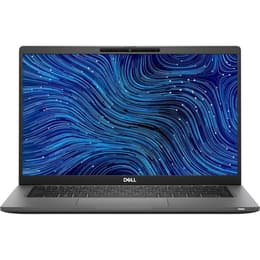
Dell Latitude 5430 14" Vs Dell Latitude 7420 14"
- 1-year minimum warranty
- Free delivery on all orders
- Free 30-day returns
Differences at a glance
The Dell Latitude 5430 (2022) and the Dell Latitude 7420 (2021) are 14-inch business laptops designed to handle everyday productivity and enterprise tasks. While the Latitude 5430 represents a mainstream commercial class with slightly newer internal components, the Latitude 7420 belongs to a higher tier focusing on a more compact and lightweight build. Both models run on Windows operating systems and share similar enterprise management features, yet they target different user priorities through their physical design and hardware generations.
Available Models
Storage (GB)
Processor
Memory (GB)
Scores
Durability
When evaluating long-term utility, both enterprise laptops are built for multi-year deployment, though their release schedules and hardware architectures differ slightly.
- Release timeline and support: The Latitude 7420 launched in 2021, while the Latitude 5430 arrived in 2022, giving the latter a minor advantage in overall age and extended driver update lifecycles from the manufacturer.
- Repairability and build: Both models feature business-grade chassis designed for standard office wear and tear, with modular internal components that allow IT technicians to replace keyboards, batteries, and storage drives relatively easily.
- Expected lifespan: Users can expect reliable daily performance spanning several years from either machine, especially when opting for a quality-assured refurbished option that extends the active deployment window of corporate hardware.
Year of Release
2022
2020
Last Os Compatibility
Yes
Yes
OS
Windows 11
Windows 11
Performance
Day-to-day speed and multitasking capabilities vary based on the generation of internal hardware and memory configurations present in each specific unit.
- Multitasking and responsiveness: Both devices handle standard office workloads, heavy web browsing, and document editing smoothly, though units equipped with higher generation processors manage simultaneous demanding background tasks with greater thermal efficiency.
- Memory limitations: The Latitude 7420 features soldered memory, meaning the RAM capacity cannot be upgraded after purchase, whereas the Latitude 5430 typically allows for physical memory upgrades via traditional slots depending on the configuration.
- Storage and battery behavior: Both laptops offer fast solid-state drive options for quick file access, while battery longevity during typical work sessions remains balanced, supporting a full day of standard office use away from an outlet.
Graphic card
Integrated Graphics
Integrated Graphics
Screen quality
Visual workspace experiences across both 14-inch displays focus on reducing glare and providing comfortable viewing angles for extended work sessions.
- Display technology: Both laptops utilize anti-glare panels with crisp resolutions suitable for viewing text, spreadsheets, and presentations without excessive eye strain during long hours of use.
- Brightness and outdoor visibility: Standard configurations offer adequate brightness levels for indoor office environments, while select higher-tier panels provide increased luminance for comfortable visibility near bright windows or outdoor workspaces.
- Refresh rate and clarity: Operating at standard refresh rates, both screens deliver smooth scrolling for documents and web pages, prioritizing power efficiency over gaming-grade visual fluidity.
Resolution
1920 x 1080
1920 x 1080
Screen type
IPS
LCD
Camera
Audiovisual
Multimedia hardware on these enterprise machines is tailored primarily toward virtual collaboration, meetings, and daily communication needs.
- Webcam performance: Integrated camera modules provide clear video feeds for remote meetings, supported by built-in noise-reducing microphone arrays that capture speech clearly during voice calls.
- Speaker output: The onboard stereo speakers deliver balanced audio for conference calls, training videos, and casual media playback, though external headphones remain preferable for immersive listening.
- Media consumption: Combined with their clear 14-inch displays, both laptops provide a dependable platform for viewing video content and participating in lengthy virtual workshops.
Miscellaneous
Physical dimensions, weight distribution, and connectivity ports shape how each device fits into mobile work routines and desk setups.
- Port selection: Both models include versatile connection options, featuring multiple USB ports, video outputs for external monitors, and high-speed data transfer connections to accommodate various office peripherals.
- Mobility and weight: The Latitude 7420 leans into an ultraportable profile with a slightly trimmer chassis and lighter travel weight, whereas the Latitude 5430 offers a marginally thicker build designed to accommodate broader port configurations.
- Security features: Enterprise-grade security options such as smart card readers, fingerprint sensors, and encrypted storage capabilities are available across both product lines to protect sensitive data.
Weight
1360 g
1550 g
Screen size
14
14
What the community thinks
User feedback from online communities highlights distinct preferences for each of these business laptops depending on daily workflow habits. Owners of the Dell Latitude 7420 frequently praise its lighter travel weight and solid build quality, making it a favorite for frequent commuters. Meanwhile, users of the Dell Latitude 5430 appreciate its slightly newer processor options and greater hardware upgrade flexibility over time.
Users prioritizing maximum physical portability and a streamlined ultraportable footprint may prefer the Latitude 7420, while users prioritizing upgradeable memory and slightly newer internal generations may lean toward the Latitude 5430 as a sustainable choice. Choosing between the two ultimately depends on whether day-to-day mobility or hardware flexibility holds higher priority for your personal workflow.