

iPhone 13 Pro Max Vs Xiaomi 14T Pro

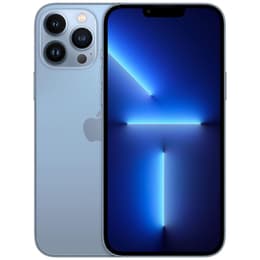
iPhone 13 Pro Max
iPhone 13 Pro Max
Starting at

Refurbished price:369.00

Versus €1,249.00 new

See options
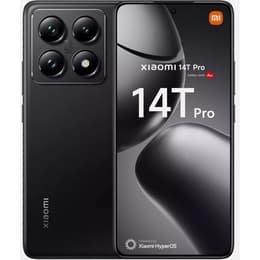
Xiaomi 14T Pro
Xiaomi 14T Pro
Starting at

Refurbished price:395.00

Versus €1,500.00 new

See options

Ratings

The iPhone 13 Pro Max, released in September 2021, and the Xiaomi 14T Pro, launched in September 2024, represent different generations and operating systems within the premium smartphone market. While the iPhone operates on Apple's iOS ecosystem, the Xiaomi device runs on Android with Xiaomi's HyperOS interface. Key differentiators include their respective release timelines, display technologies, and charging capabilities, catering to varied user preferences.

Scores

Durability

When considering the long-term usability of these devices, their release dates and software support policies are important factors. The iPhone 13 Pro Max, being an earlier release, has already received several major iOS updates, while the newer Xiaomi 14T Pro benefits from a more recent launch.

  • Software Longevity: The iPhone 13 Pro Max, released in September 2021, is expected to receive major iOS updates until at least 2027 or 2028, offering a substantial period of software support. The Xiaomi 14T Pro, launched in September 2024, is committed to receiving four major Android OS upgrades and six years of security patches, extending its software relevance until approximately 2028-2029 for OS and 2030-2031 for security.
  • Physical Durability: Both devices feature robust builds designed for daily use. The iPhone 13 Pro Max incorporates a Ceramic Shield front and stainless steel frame, along with an IP68 rating for water and dust resistance. The Xiaomi 14T Pro also boasts an IP68 rating for water and dust resistance, an aluminum frame, and Corning Gorilla Glass 5 protection for its display.
  • Expected Lifespan: Given their respective update policies and build quality, both smartphones are designed for several years of reliable operation. Users can expect consistent performance and security updates for an extended period, making them suitable for long-term ownership, especially when considering quality-assured refurbished options.

Year of Release

2021

2024

Compatible with latest Update

Yes

Yes

OS

iOS

Android

Foldable

No

No

Performance

The performance of these two devices is shaped by their internal components and software optimization, leading to distinct user experiences in daily tasks and demanding applications.

  • Processing Power: The iPhone 13 Pro Max is powered by an A15 Bionic chip, which delivers smooth performance for everyday applications, multitasking, and graphically intensive games. The Xiaomi 14T Pro features a MediaTek Dimensity 9300+ processor, designed for high-speed operations, efficient multitasking, and handling demanding apps with ease.
  • Multitasking and Storage: The iPhone 13 Pro Max comes with 6GB of RAM and offers storage options up to 1TB, providing ample space and efficient handling of multiple applications. The Xiaomi 14T Pro typically includes 12GB of LPDDR5X RAM, with options for up to 1TB of UFS 4.0 storage, contributing to very fast app loading and seamless transitions between tasks.
  • Battery Performance: The iPhone 13 Pro Max is known for its exceptional battery longevity, often providing up to two days of use for many users on a single charge. The Xiaomi 14T Pro features a larger 5000mAh battery, which also offers impressive endurance, often lasting two days under moderate usage. Additionally, the Xiaomi device supports 120W wired and 50W wireless fast charging, allowing for very rapid power replenishment.

Memory (GB)

6 GB

12 GB

Screen quality

The visual experience on both smartphones is a highlight, though they employ different display technologies and specifications to achieve their clarity and vibrancy.

  • Display Technology and Clarity: The iPhone 13 Pro Max features a 6.7-inch Super Retina XDR OLED display, offering deep blacks, vibrant colors, and a resolution of 2778 x 1284 pixels, resulting in sharp and detailed visuals. The Xiaomi 14T Pro comes with a 6.67-inch CrystalRes AMOLED display, providing excellent clarity with a resolution of 2712 x 1220 pixels.
  • Brightness and Smoothness: The iPhone 13 Pro Max's display can reach a peak brightness of 1200 nits for HDR content and features ProMotion technology for an adaptive refresh rate up to 120Hz, ensuring smooth scrolling and responsive interactions. The Xiaomi 14T Pro offers a significantly higher peak brightness of 4000 nits, enhancing outdoor visibility, and an adaptive refresh rate of up to 144Hz for an exceptionally fluid visual experience.
  • Viewing Experience: Both devices provide an immersive viewing experience for media consumption and daily use. The iPhone's ProMotion dynamically adjusts the refresh rate to optimize battery life while maintaining smoothness, while the Xiaomi's higher refresh rate and brightness contribute to a very responsive and easily viewable screen in various lighting conditions.

Resolution

1284 x 2778

1220 x 2712

Screen type

Super Retina XDR OLED

AMOLED

Audiovisual

Both the iPhone 13 Pro Max and the Xiaomi 14T Pro offer advanced camera systems, each with unique strengths in capturing photos and videos.

  • Rear Camera System: The iPhone 13 Pro Max is equipped with a triple 12MP camera system, including Wide, Ultra Wide, and Telephoto lenses, known for their consistent image quality and computational photography features. The Xiaomi 14T Pro features a Leica-powered triple camera setup, comprising a 50MP main sensor, a 50MP telephoto lens with 2.6x optical zoom, and a 12MP ultra-wide camera, designed for detailed and vibrant imagery.
  • Photography Features: The iPhone 13 Pro Max excels in low-light performance due to larger sensors and wider apertures, and offers features like Cinematic mode for video, ProRes video recording, and macro photography. The Xiaomi 14T Pro includes advanced features such as Ultra HDR, Leica Authentic & Vibrant color profiles, Xiaomi ProFocus, and dedicated Movie and Director modes for creative video capture.
  • Video Recording and Audio: Both phones are capable of high-quality video recording. The iPhone 13 Pro Max supports 4K video at up to 60fps and offers advanced video stabilization. The Xiaomi 14T Pro also supports high-resolution video recording, with features like AI Film for effortless cinematic video creation. Both devices provide clear audio capture for calls and recordings, and deliver a rich media consumption experience through their speakers.

Main camera

12 megapixels

50 megapixels

Front camera

12 megapixels

32 megapixels

Miscellaneous

Beyond their core features, several practical elements differentiate these two smartphones, impacting daily usability and connectivity.

  • Connectivity and Ports: The iPhone 13 Pro Max supports 5G and Wi-Fi 6, and utilizes a Lightning port for charging and data transfer. The Xiaomi 14T Pro also offers 5G connectivity and features a USB Type-C port, which is a widely adopted standard. The Xiaomi device also includes dual SIM support.
  • Biometric Security and Sensors: The iPhone 13 Pro Max relies on Face ID for secure facial recognition. The Xiaomi 14T Pro typically incorporates an under-display fingerprint sensor and face unlock capabilities. The Xiaomi device also includes an infrared (IR) blaster, allowing it to function as a universal remote control.
  • Design and Handling: The iPhone 13 Pro Max measures 160.8 x 78.1 x 7.65 mm and weighs 240g, offering a substantial feel in hand. The Xiaomi 14T Pro is slightly lighter and more compact at 160.4 x 75.1 x 8.39 mm and 209g, potentially offering a more comfortable grip for some users. Both devices feature premium build materials, with the iPhone using a stainless steel frame and the Xiaomi an aluminum alloy frame.

Weight

238 g

209 g

Screen size (in)

6.7

6.67

Network

5G

5G

SIM card

Physical SIM + eSIM

Dual Physical SIM

Carrier compatibility

Unlocked

Unlocked

User sentiment for the iPhone 13 Pro Max often highlights its exceptional battery life, with many users reporting two days of usage on a single charge, and its robust camera system capable of producing high-quality photos and videos. Criticisms sometimes point to its weight and the continued use of the Lightning port. For the Xiaomi 14T Pro, common praise focuses on its vibrant, high-refresh-rate display, rapid charging speeds, and competitive camera performance, often noting its modern design and powerful processor. Some users might find the HyperOS interface to be a significant departure from stock Android, which can be a point of adjustment.

Users prioritizing extended software support and a familiar, integrated ecosystem may find the iPhone 13 Pro Max well-suited to their needs. Its consistent performance and long-lasting battery make it a reliable choice for those who value stability and a polished user experience. Conversely, users who prioritize cutting-edge display technology, extremely fast charging, and a more customizable Android experience might lean toward the Xiaomi 14T Pro. Its newer hardware and higher refresh rate display offer a very responsive and visually engaging experience, particularly for mobile gaming and media consumption. Both devices offer compelling features for different user profiles, and considering a quality-assured refurbished option can be a sustainable choice for either model.


See all articles

Our recent comparisons






