

iPhone 13 Pro Max Vs Xiaomi 14

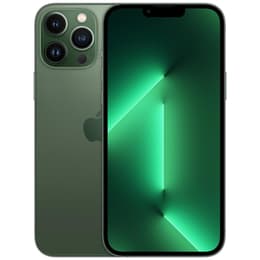
iPhone 13 Pro Max
iPhone 13 Pro Max
Starting at

Refurbished price:369.00

Versus €1,249.00 new

See options
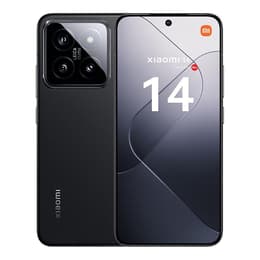
Xiaomi 14
Xiaomi 14
Starting at

Refurbished price:384.00

Versus €1,099.00 new

See options

Ratings

The iPhone 13 Pro Max (released September 2021) and the Xiaomi 14 (released October 2023 in China, February 2024 globally) are both high-end smartphones, though they come from different generations and operating system ecosystems. The iPhone 13 Pro Max runs on Apple's iOS, known for its long-term software support and integrated services, while the Xiaomi 14 operates on Android with Xiaomi's HyperOS overlay, offering a more customizable experience. Key differentiators include their respective camera systems, display technologies, and overall design philosophies, catering to distinct user preferences.

Scores

Durability

When considering the practical lifespan of these devices, software support and physical durability are primary factors. The iPhone 13 Pro Max, released in late 2021, typically receives iOS updates for approximately five to six years from its launch. The Xiaomi 14, being a newer device from late 2023/early 2024, is expected to receive Android and HyperOS updates for a similar duration, potentially offering a slightly longer period of current software support due to its more recent release.

  • Software Longevity: The iPhone 13 Pro Max, running iOS, benefits from Apple's consistent and extended software update policy, ensuring access to new features and security patches for several years. The Xiaomi 14, with its newer release, is positioned to receive Android and HyperOS updates for a comparable, if not slightly longer, timeframe.
  • Physical Durability: Both devices feature robust builds. The iPhone 13 Pro Max incorporates a Ceramic Shield front cover and a stainless steel frame, contributing to its resistance against drops and scratches. The Xiaomi 14 also boasts an IP68 rating for dust and water resistance, indicating a high level of protection against environmental elements.
  • Repairability: While specific repairability scores can vary by region and independent assessments, both manufacturers design their devices with certain repair considerations. However, the complexity of modern smartphone construction often means specialized tools and expertise are required for repairs.

Year of Release

2021

2023

Compatible with latest Update

Yes

Yes

OS

iOS

Android

Foldable

No

No

Performance

Performance in a smartphone is crucial for daily tasks, from browsing to demanding applications. Both the iPhone 13 Pro Max and the Xiaomi 14 offer powerful processing capabilities, though they achieve this through different hardware architectures.

  • Everyday Responsiveness: The iPhone 13 Pro Max provides a consistently smooth and fluid user experience, handling demanding applications and multitasking with ease. Its optimized software and hardware integration contribute to quick app loading and seamless transitions. The Xiaomi 14, featuring a newer generation processor, also delivers exceptional speed and efficiency, ensuring a highly responsive experience for gaming, productivity, and general navigation.
  • Multitasking and Storage: The iPhone 13 Pro Max comes with ample RAM, allowing users to switch between multiple applications without significant slowdowns. It offers various internal storage options, but without expandable storage. The Xiaomi 14 typically offers higher RAM configurations and a range of internal storage choices, providing flexibility for users who require more memory for intensive tasks or larger file storage.
  • Battery Behavior: The iPhone 13 Pro Max is recognized for its extended battery life, often lasting a full day or more even with heavy usage, a common praise point among users. The Xiaomi 14 also features a substantial battery capacity and benefits from a power-efficient processor, contributing to reliable daily endurance.

Memory (GB)

6 GB

16 GB

Screen quality

The display is a primary interface for smartphone interaction, and both devices offer high-quality viewing experiences with distinct characteristics.

  • Display Technology and Clarity: The iPhone 13 Pro Max features a 6.7-inch Super Retina XDR OLED display, known for its deep blacks, vibrant colors, and excellent contrast. The Xiaomi 14 sports a slightly smaller 6.36-inch LTPO AMOLED display, also delivering rich colors and sharp visuals. Both offer high pixel densities, ensuring crisp text and detailed images.
  • Brightness and Refresh Rate: Both phones feature adaptive refresh rates up to 120Hz, providing smooth scrolling and responsive interactions. The iPhone 13 Pro Max offers a high typical brightness with a peak brightness for HDR content. The Xiaomi 14, however, boasts a higher peak brightness, which can be beneficial for outdoor visibility in bright conditions.
  • Viewing Experience: The larger screen of the iPhone 13 Pro Max provides an expansive canvas for media consumption and multitasking. The Xiaomi 14, while slightly more compact, still offers an immersive viewing experience with its vibrant display and minimal bezels.

Resolution

1284 x 2778

1200 x 2670

Screen type

Super Retina XDR OLED

LTPO OLED

Audiovisual

Both the iPhone 13 Pro Max and the Xiaomi 14 are equipped with advanced camera systems designed to capture high-quality photos and videos, though they approach imaging with different philosophies and hardware.

  • Camera System Capabilities: The iPhone 13 Pro Max features a versatile triple 12MP camera system, including wide, ultrawide, and telephoto lenses, along with a LiDAR scanner for improved depth sensing. The Xiaomi 14 comes with a triple 50MP camera setup, co-engineered with Leica, offering a main, ultrawide, and telephoto lens, emphasizing high-resolution capture and specific color science.
  • Photography Performance: The iPhone 13 Pro Max excels in producing natural-looking images with excellent detail and color accuracy across various lighting conditions, including strong low-light performance. The Xiaomi 14, with its larger sensors and Leica optics, also delivers impressive low-light results and offers distinct photographic styles, appealing to users who prefer a specific aesthetic.
  • Video Recording and Audio: Both devices offer advanced video recording capabilities. The iPhone 13 Pro Max supports Cinematic mode for shallow depth-of-field effects and ProRes video recording for professional workflows. The Xiaomi 14 supports 8K video recording and features a dedicated movie mode with cinematic aspect ratios and effects. Both provide quality audio recording for videos and clear speaker output for media playback.

Main camera

12 megapixels

50 megapixels

Front camera

12 megapixels

32 megapixels

Miscellaneous

Beyond core performance and display, several practical features contribute to the overall user experience of a smartphone.

  • Connectivity and Ports: Both devices support 5G connectivity for fast mobile data. The iPhone 13 Pro Max uses the Lightning port for charging and data transfer, and supports Wi-Fi 6 and Bluetooth 5.0. The Xiaomi 14 features a USB-C port, offering broader compatibility with modern accessories, and supports newer standards like Wi-Fi 7 and Bluetooth 5.4.
  • Biometric Security: The iPhone 13 Pro Max relies on Face ID for secure facial recognition. The Xiaomi 14 incorporates an under-display optical fingerprint sensor for biometric authentication, alongside facial recognition.
  • Design and Handling: The iPhone 13 Pro Max has a larger and heavier build, featuring a stainless steel frame and a glass back, which contributes to a premium feel but can be substantial in hand. The Xiaomi 14 offers a more compact form factor with an aluminum frame and glass back, making it lighter and potentially easier for one-handed use. Both devices carry an IP68 rating for dust and water resistance.

Weight

238 g

188 g

Screen size (in)

6.7

6.36

Network

5G

5G

SIM card

Physical SIM + eSIM

Dual Physical SIM

Carrier compatibility

Unlocked

Unlocked

User feedback for the iPhone 13 Pro Max frequently highlights its exceptional battery life, robust camera system, and the smooth, integrated experience of the iOS ecosystem. Common criticisms often point to its substantial weight and the continued use of the Lightning port. For the Xiaomi 14, users often praise its powerful performance, vibrant display, and the versatility of its Leica-tuned camera system, particularly its low-light capabilities and fast charging. Some users may find the HyperOS interface a departure from stock Android, and its battery life, while good, might not match the extended endurance of larger devices.

Users prioritizing extended battery life, a highly polished software experience, and a consistent, natural photographic output may find the iPhone 13 Pro Max well-suited to their needs. Conversely, users who value a more compact design, cutting-edge processing power, a highly customizable Android experience, and a camera system with distinct artistic modes might lean toward the Xiaomi 14. Both devices offer premium experiences, and choosing between them often comes down to individual preferences regarding operating system, camera aesthetics, and device size. For those seeking a quality-assured refurbished option, both models are available, providing an eco-friendly alternative for acquiring high-performance smartphones.

See all articles

Our recent comparisons