

Compare models

Galaxy Z Fold7 Vs iPhone 14 Pro Max

  • 1-year minimum warranty
  • Free delivery on all orders
  • Free 30-day returns
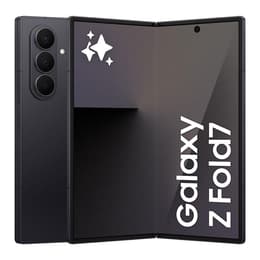
Galaxy Z Fold7
Starting at

Refurbished price:923.00

Versus €2,236.37 new

See options
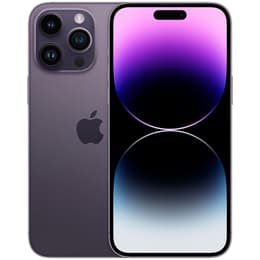
iPhone 14 Pro Max
Starting at

Refurbished price:494.00

Versus €1,489.00 new

See options

Differences at a glance

The Samsung Galaxy Z Fold7 (2025) and Apple iPhone 14 Pro Max (2022) represent two distinct visions of high-end smartphone engineering, contrasting a book-style foldable design with a traditional candy bar form factor. While both devices occupy the premium segment of the mobile market, they approach daily computing through entirely different hardware philosophies. Running on distinct operating systems, these smartphones cater to users looking for either expansive workspace versatility or streamlined reliability.

Available Models

Colour

Storage (GB)

Scores

Durability

When evaluating the long-term utility of these devices, differences in their release timelines and physical construction shape expectations around durability and software longevity.

  • Software Support: The Galaxy Z Fold7 benefits from an extended multi-year software update commitment matching its newer release year, whereas the iPhone 14 Pro Max operates within Apple's established, long-term iOS support lifecycle.
  • Physical Resilience: The iPhone 14 Pro Max relies on a traditional rigid glass and stainless steel chassis with high water resistance ratings, while the Galaxy Z Fold7 introduces advanced hinge engineering and flexible display layers that require careful handling over years of folding use.
  • Repairability: Both manufacturers provide structured repair pathways, though traditional rigid smartphones generally present fewer long-term maintenance considerations than complex multi-panel foldable architectures.

Year of Release

2025

2022

Compatible with latest Update

Yes

Yes

OS

Android

iOS

Foldable

Yes

No

Performance

Underneath their outer shells, both devices manage demanding tasks and daily workflows through powerful internal hardware configurations paired with optimized software.

  • System Responsiveness: Both models handle intensive multitasking, fast app switching, and modern mobile gaming smoothly, ensuring that demanding applications open instantly without stutter.
  • Battery Behavior: The iPhone 14 Pro Max manages power efficiency through tight hardware-software integration, whereas the dual-battery setup on the Galaxy Z Fold7 powers two distinct screens, meaning heavy use of the larger inner display requires more frequent charging.
  • Memory and Storage: Generous RAM allocations on both devices allow background tasks to remain active seamlessly, while multiple storage capacity tiers accommodate large media libraries and heavy document archives.

Screen quality

Visual output represents a major dividing line between these two models, directly influencing how users consume media, read documents, and interact with applications.

  • Display Technology: The iPhone 14 Pro Max features a bright, rigid OLED panel with deep contrast and accurate color reproduction, whereas the Galaxy Z Fold7 offers a dual-screen experience featuring a standard cover display and an expansive 8-inch foldable interior panel.
  • Refresh Rates and Fluidity: Both devices support high refresh rate technology, ensuring that scrolling through web pages and animations appears smooth and responsive.
  • Outdoor Visibility: High peak brightness levels on both screens allow content to remain legible even when used directly under bright sunlight.

Resolution

1968x2184

1290 x 2796

Audiovisual

Optics and media capabilities differ significantly based on the hardware layouts chosen by each manufacturer for photo, video, and audio output.

  • Camera Systems: The iPhone 14 Pro Max utilizes a triple-lens setup focused on reliable everyday point-and-shoot accuracy and high-resolution video recording, while the Galaxy Z Fold7 incorporates a high-megapixel main sensor alongside specialized lenses for flexible framing angles.
  • Video and Audio Output: Apple's devices are widely recognized for steady video capture and balanced stereo speakers, whereas Samsung provides rich media playback and versatile camera modes that take advantage of the foldable form factor for hands-free recording.
  • Low-Light Performance: Advanced image processing on both models minimizes noise in dim environments, rendering clear details during nighttime photography or indoor calls.

Miscellaneous

Practical daily usability is shaped by physical dimensions, connectivity standards, and biometric authentication features embedded in each chassis.

  • Form Factor and Handling: The iPhone 14 Pro Max maintains a heavier, wide-body traditional feel, while the Galaxy Z Fold7 offers a remarkably thin profile when unfolded, transforming from a pocketable narrow phone into a tablet-sized device.
  • Connectivity and Ports: Both models support rapid 5G cellular networks, modern Wi-Fi standards, and Bluetooth, with Apple utilizing its proprietary connector and Samsung relying on the universal standard port.
  • Security Sensors: Secure facial recognition anchors the iPhone security ecosystem, while the Galaxy Z Fold7 places a responsive fingerprint sensor conveniently on its side power button.

Weight

215 g

120 g

Screen size (in)

8.0

6.7

Network

5G

5G

SIM card

Dual Physical SIM + eSIM

Physical SIM + eSIM

Carrier compatibility

Unlocked

Unlocked

Connector

USB-C (USB 3)

Lightning

What the community thinks

User discussions across online communities frequently praise the iPhone 14 Pro Max for its dependable battery efficiency, robust build quality, and smooth ecosystem integration, though some users note its heavy weight during extended one-handed use. Conversely, owners of the Galaxy Z Fold7 highlight the immense productivity benefits of the large folding workspace and improved thinness, while pointing out that handling a flexible screen requires extra mindfulness and that battery drain is heavier when utilizing the inner display constantly.

Users prioritizing multitasking efficiency, split-screen app workflows, and an expanding tablet-sized canvas will find the Galaxy Z Fold7 well-suited to their needs. Meanwhile, users prioritizing a straightforward traditional smartphone experience, long battery endurance under heavy load, and robust single-screen durability may lean toward the iPhone 14 Pro Max. For consumers exploring sustainable technology upgrades, choosing a quality-assured refurbished option provides an eco-friendly alternative that extends device lifecycles without compromising on core performance capabilities.