

Galaxy S20+ 5G Vs iPhone 14 Pro Max

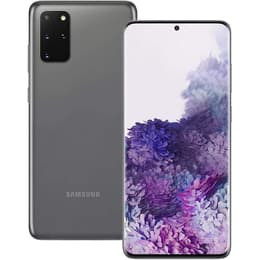
Galaxy S20+ 5G
Galaxy S20+ 5G
Starting at

Refurbished price:191.00

Versus €590.00 new

See options
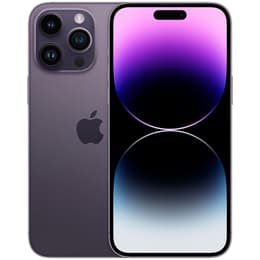
iPhone 14 Pro Max
iPhone 14 Pro Max
Starting at

Refurbished price:446.00

Versus €1,489.00 new

See options

Ratings

The Samsung Galaxy S20 Plus 5G, released in March 2020, and the iPhone 14 Pro Max, launched in September 2022, represent different generations of flagship smartphones. While both offer premium experiences, the iPhone 14 Pro Max benefits from a more recent release, bringing advancements in processing power, camera technology, and display features. The Galaxy S20 Plus 5G runs on Android, offering a customizable user experience, while the iPhone 14 Pro Max operates on Apple's iOS, known for its integrated ecosystem and consistent interface.

Scores

Durability

The practical lifespan of a smartphone is heavily influenced by its software support and physical durability.

  • Software Longevity: The Galaxy S20 Plus 5G, released in 2020, received major Android updates for three years, up to Android 13, and security updates for five years, with support officially ending around April 2025. The iPhone 14 Pro Max, released in 2022, is expected to receive major iOS updates for approximately five to seven years from its release, potentially until 2029 or 2030, and security patches for even longer.
  • Physical Durability: Both devices feature glass front and back panels with aluminum or stainless steel frames and are rated IP68 for dust and water resistance. The iPhone 14 Pro Max incorporates Ceramic Shield on its front, which is designed for enhanced drop performance.
  • Repairability: While specific repairability scores can vary, both devices are complex to repair due to their sealed designs and extensive use of adhesives. However, the availability of parts and repair services for the iPhone 14 Pro Max is likely to extend further into the future due to its newer release.

Year of Release

2020

2022

Compatible with latest Update

No

Yes

OS

Android

iOS

Foldable

No

No

Performance

Performance is a key differentiator, impacting how smoothly applications run and how efficiently the device handles demanding tasks.

  • Processing Power: The iPhone 14 Pro Max features a more recent-generation processor, providing a noticeable advantage in raw computational power and graphical performance. This translates to smoother operation for intensive applications, faster video editing, and more fluid gaming experiences. The Galaxy S20 Plus 5G, while still capable, may show its age with the most demanding modern applications.
  • Multitasking and Responsiveness: The Galaxy S20 Plus 5G comes with 12GB of RAM, which allows for robust multitasking. The iPhone 14 Pro Max, with 6GB of RAM, is optimized by iOS to manage applications efficiently, resulting in a responsive user experience even with multiple apps open.
  • Storage Options: Both devices offer various internal storage configurations, starting from 128GB. The Galaxy S20 Plus 5G also includes a microSD card slot for expandable storage, offering flexibility for users who need more space for media and files. The iPhone 14 Pro Max does not offer expandable storage.
  • Battery Behavior: The iPhone 14 Pro Max generally offers extended battery life, with users often reporting it lasting through a full day of heavy use. The Galaxy S20 Plus 5G, with its 4500 mAh battery, provides above-average battery life, though heavy usage, especially with the 120Hz refresh rate enabled, can lead to more frequent charging.

Memory (GB)

8 GB

6 GB

Screen quality

The display is the primary interface for user interaction, and both devices offer high-quality viewing experiences with distinct characteristics.

  • Display Technology and Clarity: The Galaxy S20 Plus 5G features a 6.7-inch Dynamic AMOLED 2X display with a resolution of 1440x3200 pixels. The iPhone 14 Pro Max also has a 6.7-inch Super Retina XDR OLED display with a resolution of 1290x2796 pixels. Both technologies deliver deep blacks and vibrant colors, providing an immersive viewing experience.
  • Refresh Rate and Smoothness: The Galaxy S20 Plus 5G offers a 120Hz refresh rate at FHD+ resolution, providing smooth scrolling and animations. The iPhone 14 Pro Max features an adaptive ProMotion display with a refresh rate that can dynamically adjust from 1Hz to 120Hz, optimizing for both smoothness and power efficiency.
  • Brightness Levels: The iPhone 14 Pro Max can achieve higher peak brightness levels, especially outdoors, making content more visible in direct sunlight. Both displays support HDR content for enhanced contrast and color.

Resolution

1440 x 3200

1290 x 2796

Screen type

Dynamic AMOLED 2X

LTPO Super Retina XDR OLED

Audiovisual

Both smartphones are equipped with advanced camera systems designed to capture high-quality photos and videos, though with different strengths.

  • Rear Camera System: The Galaxy S20 Plus 5G features a triple camera setup with a 12MP main sensor, a 64MP telephoto lens with 3x hybrid optical zoom, and a 12MP ultrawide lens, along with a DepthVision camera. The iPhone 14 Pro Max boasts a more advanced triple camera system, including a 48MP main sensor with sensor-shift OIS, a 12MP telephoto lens with 3x optical zoom, and a 12MP ultrawide lens, complemented by a LiDAR scanner.
  • Photography Performance: The iPhone 14 Pro Max generally excels in low-light photography and offers greater detail, especially when utilizing its 48MP ProRAW mode. The Galaxy S20 Plus 5G delivers strong performance in good lighting conditions and offers a versatile zoom range.
  • Video Recording Capabilities: The Galaxy S20 Plus 5G can record up to 8K video at 24fps and 4K at 60fps. The iPhone 14 Pro Max offers 4K video recording at various frame rates, including cinematic and action modes for enhanced stabilization and creative effects.
  • Audio Quality: Both devices provide stereo speakers for media consumption. The iPhone 14 Pro Max is noted for its clear and loud speaker output. Microphone quality for calls and video recording is generally high on both devices.

Main camera

12 megapixels

48 megapixels

Front camera

10 megapixels

12 megapixels

Miscellaneous

Beyond core performance, several practical features contribute to the overall user experience.

  • Connectivity: Both devices support 5G connectivity, Wi-Fi 6, and Bluetooth for wireless communication. The iPhone 14 Pro Max features Bluetooth 5.3, a newer standard compared to the Galaxy S20 Plus 5G's Bluetooth 5.0.
  • Ports and Biometrics: The Galaxy S20 Plus 5G uses a USB-C port for charging and data transfer and includes an in-display fingerprint sensor for biometric authentication. The iPhone 14 Pro Max utilizes a Lightning port and relies on Face ID for secure facial recognition. Neither device includes a 3.5mm headphone jack.
  • Design and Handling: The Galaxy S20 Plus 5G weighs 186-188g and has dimensions of 161.9 x 73.7 x 7.8 mm. The iPhone 14 Pro Max is heavier at 240g and measures 160.7 x 77.6 x 7.85 mm, making it a substantial device in hand. The iPhone 14 Pro Max also introduces the Dynamic Island, a software-integrated hardware cutout that displays alerts and activities.

Weight

188 g

120 g

Screen size (in)

6.7

6.7

Network

5G

5G

SIM card

Physical SIM + eSIM

Physical SIM + eSIM

Carrier compatibility

Unlocked

Unlocked

Connector

USB-C

Lightning

The Samsung Galaxy S20 Plus 5G and the iPhone 14 Pro Max cater to users with varying priorities, reflecting their different release timelines and operating systems.

Users often praise the iPhone 14 Pro Max for its exceptional camera quality, particularly its low-light performance and advanced video features like Cinematic and Action modes. Its long battery life is also frequently highlighted as a significant advantage for heavy users. The Dynamic Island is noted for its innovative approach to notifications and multitasking. Some common criticisms include its substantial weight and the continued use of the Lightning port.

The Galaxy S20 Plus 5G is often commended for its vibrant AMOLED display with a high refresh rate, offering a smooth visual experience. Its versatile camera system, including a dedicated telephoto lens and ultrawide, provides flexibility for different shooting scenarios. The inclusion of expandable storage via microSD card is a notable benefit for many Android users. However, its software support cycle has concluded, meaning it will no longer receive major OS updates or security patches, which is a significant consideration for long-term use.

Users prioritizing the latest software features, extended update support, and advanced camera capabilities, especially for video, may find the iPhone 14 Pro Max well-suited to their needs. Those who value a customizable Android experience, expandable storage, and a slightly lighter device might lean towards the Galaxy S20 Plus 5G, understanding its software update cycle has ended. Both devices are available as quality-assured refurbished options, providing a sustainable choice for consumers.

See all articles

Our recent comparisons