

iPhone 8 Vs iPhone SE (2020)

iPhone 8
iPhone 8
Starting at

Refurbished price:96.00

Versus €299.00 new

See options
iPhone SE (2020)
iPhone SE (2020)
Starting at

Refurbished price:98.00

Versus €319.00 new

See options

Ratings

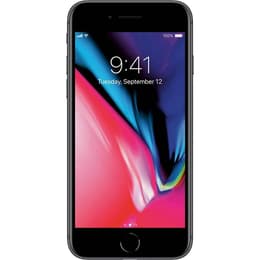
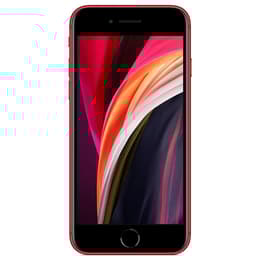
The iPhone 8, released in September 2017, and the iPhone SE (2020), launched in April 2020, share a familiar design but differ significantly in their internal components and capabilities. While both devices offer a compact form factor and operate on Apple's iOS ecosystem, the iPhone SE (2020) benefits from a newer processor and enhanced camera features. These distinctions cater to different user priorities, from long-term software support to advanced photography.

Scores

Durability

The practical lifespan of a smartphone is heavily influenced by its release timeline and the duration of its operating system support.

  • Release Timeline and OS Support: The iPhone 8, released in September 2017, has received iOS updates up to iOS 16.7.15 as of March 2026. The iPhone SE (2020), launched in April 2020, benefits from a later release, currently supporting iOS 26.3.1 as of March 2026. This means the iPhone SE (2020) is expected to receive software updates for several years longer than the iPhone 8, offering extended access to new features and security patches.
  • Software Longevity: Users can anticipate the iPhone SE (2020) to remain current with software for approximately 3 to 5 years more than the iPhone 8. This extended support is a key factor for users planning to keep their device for a longer period.
  • Repairability: Both models share a similar physical design, which generally translates to comparable repair processes. However, the availability of parts and expertise for older models like the iPhone 8 may become more limited over time.

Year of Release

2017

2020

Compatible with latest Update

No

Yes

OS

iOS

iOS

Foldable

No

No

Performance

The core performance of these devices is primarily driven by their internal processing power and memory, impacting how smoothly applications run and how efficiently tasks are handled.

  • Processing Capabilities: The iPhone SE (2020) features a significantly newer processor compared to the iPhone 8. This results in noticeably faster app loading times, smoother multitasking, and more responsive performance, especially with demanding applications and games. The iPhone SE (2020)'s processor is approximately 40% faster in CPU tasks and twice as fast in graphics processing than the iPhone 8's.
  • System Responsiveness and RAM: The iPhone SE (2020) includes 3GB of RAM, an increase from the iPhone 8's 2GB. This additional memory contributes to improved multitasking capabilities, allowing users to switch between more applications without experiencing slowdowns or apps needing to reload.
  • Storage Options: Both devices offer storage configurations of 64GB, 128GB, and 256GB, providing flexibility for users to choose based on their storage needs for apps, photos, and videos.

Memory

2 GB

3 GB

Screen quality

Both the iPhone 8 and iPhone SE (2020) utilize similar display technology, offering a consistent visual experience in terms of size and clarity.

  • Display Technology and Resolution: Both models feature a 4.7-inch Retina HD IPS LCD display with a resolution of 1334x750 pixels, resulting in a pixel density of 326 pixels per inch. This provides clear and sharp visuals for everyday use, such as browsing, reading, and viewing photos.
  • Brightness and Color Accuracy: Both displays offer a typical maximum brightness of 625 nits and support True Tone technology, which automatically adjusts the white balance to match the ambient light. They also feature a wide color gamut, contributing to vibrant and accurate color reproduction.
  • Viewing Experience: The screen size and display characteristics are identical between the two models, offering a compact viewing experience suitable for one-handed use. Neither device features a high refresh rate display.

Resolution

750 x 1334

750 x 1334

Screen type

Retina IPS LCD

Retina IPS LCD

Audiovisual

While both iPhones share similar camera hardware specifications, the newer processing capabilities of the iPhone SE (2020) introduce notable improvements in image and video quality.

  • Camera System Capabilities: Both the iPhone 8 and iPhone SE (2020) are equipped with a single 12-megapixel rear camera with an f/1.8 aperture and optical image stabilization, as well as a 7-megapixel front-facing camera with an f/2.2 aperture.
  • Photography Performance: The iPhone SE (2020) benefits from its advanced processor, enabling features like Smart HDR for improved highlight and shadow detail, and Portrait Mode for people on both the front and rear cameras. The iPhone 8 lacks these computational photography enhancements, with Portrait Mode only available on the larger iPhone 8 Plus model. In low-light conditions, the iPhone SE (2020) generally produces better results than the iPhone 8, though neither includes a dedicated Night Mode.
  • Video Recording Quality: Both phones can record 4K video at up to 60 frames per second. The iPhone SE (2020) offers improved video stabilization and extended dynamic range for video at 30 frames per second, along with stereo sound recording.

Main camera

12 megapixels

12 megapixels

Front camera

7 megapixels

7 megapixels

Miscellaneous

Beyond core performance and display, several practical features and design elements differentiate these two iPhone models.

  • Connectivity Options: The iPhone SE (2020) supports Gigabit LTE for faster cellular data speeds and Wi-Fi 6 (802.11ax), offering improved wireless performance compared to the iPhone 8's LTE Advanced and Wi-Fi 5 (802.11ac). The iPhone SE (2020) also features dual SIM capabilities (nano-SIM + eSIM), which is not present on the iPhone 8.
  • Physical Design and Sensors: Both devices share an almost identical physical design, including a 4.7-inch display with prominent bezels, a physical home button with Touch ID for fingerprint recognition, and an IP67 rating for water and dust resistance. The iPhone SE (2020) subtly updated the rear design by centering the Apple logo. Neither phone includes a traditional headphone jack.
  • Weight and Dimensions: Both the iPhone 8 and iPhone SE (2020) weigh 148 grams and have identical dimensions, making them equally compact and easy to handle for users who prefer smaller devices.

Weight

148 g

148 g

Screen size (in)

4.7

4.7

Network

4G

4G

SIM card

Physical SIM

Physical SIM + eSIM

Carrier compatibility

Unlocked

Unlocked

Connector

Lightning

Lightning

User feedback for the iPhone 8 often highlighted its familiar design and solid performance for its time. However, common criticisms included its battery life and the eventual lack of newer camera features compared to subsequent models. Some users also reported occasional issues with Bluetooth and Wi-Fi connectivity.

The iPhone SE (2020) generally receives praise for delivering strong performance in a compact form factor, with users appreciating its capable camera for everyday photography and its extended software support. However, its battery life is frequently mentioned as a limitation for heavy users, and the absence of a dedicated Night Mode for photography is a common point of concern. The design, while familiar, is also noted as being dated due to the large bezels.

Users prioritizing long-term software support, enhanced camera features like Portrait Mode and Smart HDR, and faster overall performance will find the iPhone SE (2020) better suited to their needs. Conversely, those seeking a more budget-conscious option for basic smartphone functions, and who are less concerned with the latest software updates or advanced photography, might consider the iPhone 8. Both devices offer a compact experience with Touch ID. For those looking for an eco-friendly, quality-assured refurbished option, both models are available, providing a sustainable choice for extending the life of these devices.


See all articles

Our recent comparisons