


Compare models

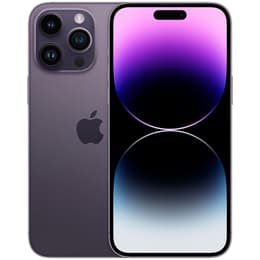
iPhone 14 Pro Max Vs Xiaomi Redmi Note 13 4G

  • 1-year minimum warranty
  • Free delivery on all orders
  • Free 30-day returns
iPhone 14 Pro Max
Starting at

Refurbished price:€494.00

Versus €1,489.00 new

See options
Xiaomi Redmi Note 13 4G
Starting at

Refurbished price:€180.00

Versus €299.00 new

See options

Differences at a glance

The Apple iPhone 14 Pro Max (2022) and the Xiaomi Redmi Note 13 4G (2024) are distinct smartphones catering to entirely different market tiers and user philosophies. While the iPhone 14 Pro Max represents a high-end flagship experience built on iOS, the Xiaomi Redmi Note 13 4G offers an accessible Android alternative focused on everyday essentials. These devices differ significantly in their operating systems, build philosophies, and target capabilities.

Available Models

Colour

Storage

Scores

Durability

Both smartphones provide dependable long-term utility, though they approach software support and hardware durability from different angles.

  • Software Support and Longevity: The iPhone 14 Pro Max benefits from Apple's extended update lifecycle, typically receiving operating system upgrades for five to six years from its release. The Xiaomi Redmi Note 13 4G relies on the Android ecosystem, offering a shorter window of major system upgrades.
  • Build Integrity and Repairs: The iPhone 14 Pro Max utilizes surgical-grade stainless steel and textured matte glass protected by Ceramic Shield, resulting in high structural resilience. The Xiaomi Redmi Note 13 4G features a plastic frame and back with glass front protection, offering standard durability for daily handling.
  • Practical Lifespan: Both devices maintain reliable daily operation over several years, with the Apple model retaining peak performance headroom for a longer duration due to its advanced hardware architecture.

Year of Release

2022

2024

Compatible with latest Update

Yes

Yes

OS

iOS

Android

Foldable

No

No

Performance

System performance and responsiveness vary notably between the two models, reflecting their respective hardware classes.

  • Multitasking and App Handling: The iPhone 14 Pro Max handles demanding applications, high-end mobile gaming, and intensive multitasking smoothly without frame drops. The Xiaomi Redmi Note 13 4G manages daily communication tools, web browsing, and casual apps reliably, though heavy gaming or intensive background tasks may introduce minor pauses.
  • Storage and Memory: The iPhone 14 Pro Max is available in high-capacity storage configurations paired with optimized memory management. The Xiaomi Redmi Note 13 4G provides flexible storage tiers with the addition of expandable storage via a microSD card slot.
  • Battery Behavior: Both devices comfortably navigate a standard day of moderate use, though their charging speeds and power efficiency profiles differ during extended media playback.

Screen quality

Viewing experiences on both devices are centered around vibrant display panels, though peak visual performance favors the flagship model.

  • Display Technology: The iPhone 14 Pro Max features an OLED Super Retina XDR display with deep contrast levels and adaptive refresh rates scaling up to 120Hz. The Xiaomi Redmi Note 13 4G is equipped with an AMOLED panel supporting a smooth 120Hz refresh rate for fluid scrolling.
  • Outdoor Visibility: The iPhone 14 Pro Max achieves very high peak outdoor brightness levels, ensuring sharp legibility under direct sunlight. The Xiaomi Redmi Note 13 4G also reaches high brightness thresholds suitable for clear daytime viewing.
  • Visual Clarity: Both screens render text and media with sharp detail, making them well-suited for reading, streaming video, and browsing photos.

Resolution

1290 x 2796

1080 x 2400

Screen type

LTPO Super Retina XDR OLED

AMOLED

Audiovisual

Camera configurations on these devices reflect their design priorities, catering to distinct photography and media habits.

  • Imaging Capabilities: The iPhone 14 Pro Max employs a versatile multi-lens array featuring a high-resolution main sensor, dedicated telephoto zoom, and advanced computational photography engines for low-light detail. The Xiaomi Redmi Note 13 4G features a primary high-megapixel main sensor complemented by an ultra-wide lens, performing well in bright daylight conditions.
  • Video Recording: The iPhone 14 Pro Max supports advanced cinematic video modes, stabilization features, and high-fidelity audio capture. The Xiaomi Redmi Note 13 4G handles standard definition video recording suitable for casual sharing.
  • Media Consumption: Stereo speakers on both devices deliver clear sound for calls and media playback, with the flagship model offering greater depth and volume range.

Main camera

48 megapixels

108 megapixels

Front camera

12 megapixels

16 megapixels

Miscellaneous

Physical dimensions and connectivity options shape how each smartphone integrates into daily routines.

  • Design and Ergonomics: The iPhone 14 Pro Max has a heavier footprint with a glass and steel chassis, whereas the Xiaomi Redmi Note 13 4G offers a lighter, slimmer profile that is comfortable for single-handed use.
  • Connectivity and Ports: The Apple model relies on Lightning connectivity and advanced 5G integration alongside Face ID security. The Xiaomi model features a USB Type-C port, a traditional 3.5mm headphone jack, an infrared port, and an in-display fingerprint sensor.
  • Ecosystem Integration: Choosing a quality-assured refurbished option for the iPhone 14 Pro Max provides an eco-friendly alternative that reduces electronic waste while offering access to high-end mobile technology.

Weight

120 g

175 g

Screen size (in)

6.7

6.67

Network

5G

4G

SIM card

Physical SIM + eSIM

Dual Physical SIM

Carrier compatibility

Unlocked

Unlocked

Connector

Lightning

USB-C

What the community thinks

User feedback from online communities highlights distinct preference patterns for each device. Owners of the iPhone 14 Pro Max frequently praise its robust build quality, reliable long-term performance, and advanced camera versatility. At the same time, some users note its heavier weight and premium price tier when purchased new. Conversely, users of the Xiaomi Redmi Note 13 4G appreciate its lightweight build, inclusion of a headphone jack, and fluid display refresh rate, while pointing out limitations in demanding gaming and low-light video clarity.

Users prioritizing high-end computational power, advanced photography tools, and extended software lifecycles will find the iPhone 14 Pro Max well-suited to their needs. Meanwhile, users prioritizing everyday utility, lightweight ergonomics, and expandable storage may lean toward the Xiaomi Redmi Note 13 4G. Selecting a sustainable refurbished device allows consumers to access premium features while supporting environmental responsibility.








