

iPhone 14 Pro Max Vs Xiaomi Redmi 14C

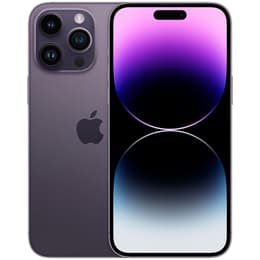
iPhone 14 Pro Max
iPhone 14 Pro Max
Starting at

Refurbished price:446.00

Versus €1,489.00 new

See options
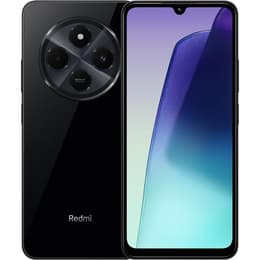
Xiaomi Redmi 14C
Xiaomi Redmi 14C
Starting at

Refurbished price:128.20

Versus €189.00 new

See options

Ratings

The iPhone 14 Pro Max, released in September 2022, represents Apple's high-end smartphone offering, running on the iOS operating system. In contrast, the Xiaomi Redmi 14C, reported to be released in late 2024 or early 2025, is positioned as a budget-friendly Android device within Xiaomi's C series. These two devices cater to distinct user needs, with the iPhone prioritizing advanced features and premium performance, while the Redmi focuses on essential functionality and accessibility.

Scores

Durability

When considering the practical lifespan of these devices, several factors come into play, including software support, build quality, and repairability.

  • Software Longevity: The iPhone 14 Pro Max typically receives iOS updates for approximately five to six years from its release, offering an extended period of access to new features and security enhancements. The Xiaomi Redmi 14C, as an Android device, is expected to receive a shorter duration of major Android version updates, usually two to three years, along with security patches for a similar period.
  • Build and Protection: The iPhone 14 Pro Max features a robust construction with Ceramic Shield front cover and an IP68 rating for dust and water resistance, contributing to its physical durability. The Redmi 14C, consistent with its series, likely features a more utilitarian build, often with plastic components, though some variants like the Redmi 14C 5G have been reported to include an IP52 rating for dust and splash resistance.
  • Expected Practical Lifespan: Users prioritizing long-term software support and premium material durability may find the iPhone 14 Pro Max to offer a longer practical lifespan. The Redmi 14C is designed for users who value a functional device for everyday tasks over an extended period, with its lifespan primarily limited by software update cycles and general wear.

Year of Release

2022

2024

Compatible with latest Update

Yes

Yes

OS

iOS

Android

Foldable

No

No

Performance

The performance capabilities of these two smartphones are tailored to different user expectations and workloads.

  • Processing Power: The iPhone 14 Pro Max is equipped with a powerful processor designed to handle demanding applications, intensive gaming, and complex multitasking with fluidity and efficiency. Users can expect consistently smooth operation even under heavy load.
  • Everyday Responsiveness: The Xiaomi Redmi 14C, typically featuring an entry-level or mid-range processor, is well-suited for common daily tasks such as web browsing, social media, messaging, and light applications. While it provides adequate responsiveness for these activities, it may exhibit slower loading times or reduced smoothness when running graphically intensive games or numerous applications simultaneously.
  • Multitasking and Storage: The iPhone 14 Pro Max offers ample RAM, contributing to seamless transitions between multiple open applications. Both devices offer various internal storage options, and the Redmi 14C, like other devices in its series, often includes expandable storage via a microSD card, providing flexibility for users who need more space for photos, videos, and apps.

Memory (GB)

6 GB

4 GB

Screen quality

The visual experience offered by these devices differs significantly due to their display technologies and specifications.

  • Display Technology and Clarity: The iPhone 14 Pro Max features a Super Retina XDR OLED display, known for its deep blacks, vibrant colors, and high contrast ratio, providing exceptional clarity and detail with a high pixel density. The Xiaomi Redmi 14C typically uses an IPS LCD panel with a lower resolution, offering a clear but less vibrant viewing experience compared to OLED.
  • Brightness and Refresh Rate: The iPhone 14 Pro Max boasts high peak brightness levels, making content easily viewable even in bright outdoor conditions, and incorporates ProMotion technology for an adaptive refresh rate up to 120Hz, resulting in very smooth scrolling and animations. The Redmi 14C 5G variant has been reported to feature a 120Hz refresh rate, which enhances smoothness for scrolling and some content, though its typical brightness levels are lower, potentially impacting outdoor visibility.
  • Screen Size and Features: Both devices offer large screen sizes, with the iPhone 14 Pro Max featuring a 6.7-inch display and the Redmi 14C often around 6.7 to 6.88 inches. The iPhone 14 Pro Max also includes the Dynamic Island, an interactive area around the front camera that displays alerts and background activities.

Resolution

1290 x 2796

720 x 1640

Screen type

LTPO Super Retina XDR OLED

IPS LCD

Audiovisual

The camera systems on these smartphones are designed with different photographic priorities and capabilities.

  • Rear Camera System: The iPhone 14 Pro Max features an advanced triple-camera system, including a 48MP main sensor, an ultrawide lens, and a telephoto lens, excelling in detail capture, low-light performance, and versatile zoom capabilities. The Xiaomi Redmi 14C typically comes with a dual or triple camera setup, often with a 50MP main sensor, capable of producing good quality photos in well-lit conditions.
  • Photography Features and Video: The iPhone 14 Pro Max offers advanced computational photography features like Photonic Engine, and professional video recording options such as ProRes and Cinematic mode, allowing for high-quality video capture with depth effects. The Redmi 14C provides essential photography modes and standard video recording capabilities, suitable for everyday moments.
  • Front Camera and Audio: The iPhone 14 Pro Max includes a high-resolution front camera with autofocus, delivering detailed selfies and clear video calls. The Redmi 14C typically features a front camera suitable for video calls and casual selfies. For audio, the iPhone offers stereo speakers for an immersive media experience, while the Redmi C series generally provides a single loudspeaker.

Main camera

48 megapixels

50 megapixels

Front camera

12 megapixels

13 megapixels

Miscellaneous

Beyond core features, several practical elements differentiate these two devices in daily use.

  • Connectivity and Ports: The iPhone 14 Pro Max supports 5G cellular networks, Wi-Fi 6, and Bluetooth 5.3, and uses a Lightning port for charging and data transfer. The Xiaomi Redmi 14C 5G variant also supports 5G, typically features Wi-Fi 5 and Bluetooth, and commonly uses a USB-C port for charging. Many Redmi C series phones, including the Redmi 13C, also retain a 3.5mm headphone jack, which is often absent on premium devices.
  • Biometric Security and Design: The iPhone 14 Pro Max relies on Face ID for secure facial recognition. The Redmi 14C typically incorporates a side-mounted fingerprint sensor for biometric authentication. In terms of physical design, the iPhone 14 Pro Max features a stainless steel frame and glass back, contributing to its substantial weight, while the Redmi 14C often has a lighter build with a plastic frame and back.
  • Additional Features: The iPhone 14 Pro Max includes MagSafe for magnetic accessories and wireless charging. The Redmi C series often emphasizes a large battery capacity for extended usage.

Weight

120 g

207 g

Screen size (in)

6.7

6.88

Network

5G

4G

SIM card

Physical SIM + eSIM

Dual Physical SIM

Carrier compatibility

Unlocked

Unlocked

Connector

Lightning

USB-C

The iPhone 14 Pro Max and the Xiaomi Redmi 14C cater to distinct segments of the smartphone market, each excelling in different areas. User feedback for the iPhone 14 Pro Max often praises its exceptional camera capabilities, vibrant display, and powerful performance, making it a strong choice for those who demand a premium experience for photography, gaming, and demanding applications. Some users have noted its weight and the proprietary Lightning port as considerations.

For the Xiaomi Redmi 14C, user sentiment typically highlights its large display, extended battery life, and suitability for everyday communication and media consumption. It is generally well-regarded by users seeking a functional device without advanced features. Potential criticisms often revolve around its more modest camera performance in challenging conditions and the presence of a lower-resolution display compared to higher-end models.

Users prioritizing cutting-edge technology, a sophisticated camera system, and long-term software support will find the iPhone 14 Pro Max well-suited to their needs. Conversely, individuals who require a reliable device for essential tasks, a large screen for content viewing, and extended battery life, without the need for top-tier performance or advanced camera features, may lean towards the Xiaomi Redmi 14C. Both devices, whether new or as a quality-assured refurbished option, offer a pathway to informed and sustainable choices in mobile technology.

See all articles

Our recent comparisons