

Galaxy S21 5G Vs iPhone 13

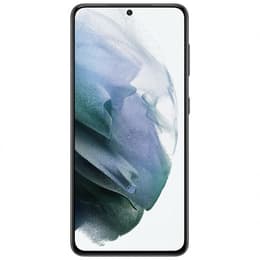
Galaxy S21 5G
Galaxy S21 5G
Starting at

Refurbished price:185.00

Versus €859.00 new

See options
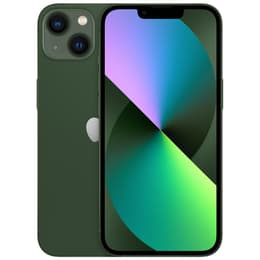
iPhone 13
iPhone 13
Starting at

Refurbished price:255.00

Versus €769.00 new

See options

Ratings

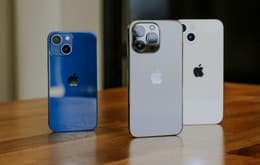
The Samsung Galaxy S21 5G, released in January 2021, and the Apple iPhone 13, launched in September 2021, represent flagship smartphones from their respective manufacturers. While both devices offer robust performance and advanced camera systems, they diverge in their operating systems and certain hardware features, catering to different user preferences. The Galaxy S21 5G runs on Android, offering a customizable experience, whereas the iPhone 13 operates on Apple's iOS, known for its integrated ecosystem and user-friendly interface.

Scores

Durability

When considering the long-term usability of these devices, their release timelines and software support policies are key factors.

  • Software Longevity: The iPhone 13, released in September 2021, is expected to receive iOS updates until approximately 2028, with current compatibility up to iOS 26. The Galaxy S21 5G, launched in January 2021, has a commitment for four generations of Android OS updates and five years of security updates, having already received Android 14 (One UI 6) in January 2024 and Android 15 (One UI 7) in May 2025.
  • Repairability: The Galaxy S21 5G generally offers a more straightforward repair process, with some assessments giving it a repairability score of 7.5 out of 10, noting that its back plate is easily removable and many parts are replaceable. However, other assessments indicate a score of 4 out of 10, citing difficulties with battery removal and fragile screens. The iPhone 13 initially received a repairability score of 5 out of 10, which later improved to 6 out of 10 after a software update addressed issues with Face ID functionality following screen replacements.
  • Physical Durability: Both devices feature IP68 ratings for dust and water resistance. The iPhone 13 incorporates a Ceramic Shield front cover for enhanced drop performance, while the Galaxy S21 5G uses Corning Gorilla Glass Victus on its front display and a plastic back, which can be more resilient to certain impacts than glass.

Year of Release

2021

2021

Compatible with latest Update

Yes

Yes

OS

Android

iOS

Foldable

No

No

Performance

The performance of a smartphone is crucial for daily tasks, from launching applications to engaging in graphics-intensive activities.

  • Processing Power: The iPhone 13 is equipped with a processor that delivers strong performance, handling demanding applications and multitasking smoothly. This allows for efficient video editing, gaming, and rapid app loading. The Galaxy S21 5G, powered by its respective current-generation processor (Snapdragon 888 or Exynos 2100 depending on region), also provides a responsive experience for everyday use and gaming.
  • Multitasking and Storage: The Galaxy S21 5G typically comes with 8GB of RAM, supporting fluid multitasking across numerous applications. It offers internal storage options of 128GB and 256GB. The iPhone 13 features 4GB of RAM, which, combined with iOS optimization, allows for efficient handling of multiple apps. Storage options for the iPhone 13 include 128GB, 256GB, and 512GB.
  • Battery Behavior: The iPhone 13 generally offers improved battery life compared to its predecessors, with users reporting it can last through a full day of heavy use. The Galaxy S21 5G, with its 4000 mAh battery, is designed to provide all-day power, even with 5G connectivity.

Memory

8 GB

4 GB

Screen quality

The visual experience is a primary interaction point, and both devices offer distinct display characteristics.

  • Display Technology and Clarity: The iPhone 13 features a 6.1-inch Super Retina XDR OLED display, providing deep blacks and vibrant colors with a resolution of 2532 x 1170 pixels at 460 pixels per inch (ppi). The Galaxy S21 5G sports a 6.2-inch Dynamic AMOLED 2X display, offering a resolution of 1080 x 2400 pixels at 421 ppi, also known for its vivid color reproduction.
  • Brightness and Refresh Rate: For outdoor visibility, the iPhone 13 offers a typical maximum brightness of 800 nits and a peak brightness of 1200 nits for HDR content. The Galaxy S21 5G can reach a peak brightness of 1300 nits, enhancing visibility in bright conditions. A notable difference is the refresh rate: the iPhone 13 has a standard 60Hz refresh rate, while the Galaxy S21 5G features a smoother 120Hz adaptive refresh rate, which can make scrolling and animations appear more fluid.
  • Viewing Experience: Both displays offer excellent contrast and color accuracy suitable for media consumption and general browsing. The slightly larger screen and higher refresh rate of the Galaxy S21 5G may appeal to users who prioritize a more expansive and fluid visual experience, particularly for gaming or fast-paced content.

Resolution

1080 x 2400

1170 x 2532

Screen type

Dynamic AMOLED 2X

Super Retina XDR OLED

Audiovisual

Both smartphones provide advanced camera systems designed to capture high-quality photos and videos in various conditions.

  • Rear Camera Systems: The iPhone 13 features a dual 12MP camera system, including a wide-angle lens with a ƒ/1.6 aperture and an ultra-wide-angle lens with a ƒ/2.4 aperture and a 120° field of view. It benefits from sensor-shift optical image stabilization on the main lens for steady shots. The Galaxy S21 5G offers a versatile triple camera setup, comprising a 12MP main sensor, a 12MP ultra-wide sensor, and a 64MP telephoto lens with hybrid optical zoom capabilities. Both the main and telephoto lenses on the S21 5G include optical image stabilization.
  • Photography Features: The iPhone 13 includes features like Night mode, Deep Fusion, Smart HDR 4, and Photographic Styles, enhancing image quality across different lighting scenarios. The Galaxy S21 5G also provides a range of photographic modes and computational enhancements for diverse shooting situations.
  • Video Recording and Audio: For video, the iPhone 13 introduces Cinematic mode, offering a shallow depth of field effect in 1080p at 30 frames per second (fps), and supports HDR video recording with Dolby Vision up to 4K at 60 fps. The Galaxy S21 5G is capable of recording video at up to 8K resolution, providing a high level of detail. Both devices offer quality microphone performance for calls and video recording, and their stereo speakers deliver a capable audio experience for media consumption.

Main camera

12 megapixels

12 megapixels

Front camera

10 megapixels

12 megapixels

Miscellaneous

Beyond core features, several practical elements contribute to the overall user experience of these smartphones.

  • Connectivity: Both the Galaxy S21 5G and the iPhone 13 support 5G connectivity, enabling faster download and upload speeds where available. They also include modern Wi-Fi standards and Bluetooth for wireless connections.
  • Ports and Biometrics: The iPhone 13 utilizes Apple's proprietary Lightning port for charging and data transfer, while the Galaxy S21 5G features a USB-C port, a more widely adopted standard. Neither device includes a traditional 3.5mm headphone jack. For security and convenience, the iPhone 13 relies on Face ID for facial recognition, whereas the Galaxy S21 5G incorporates an ultrasonic under-display fingerprint scanner.
  • Design and Handling: The iPhone 13 measures 146.7 x 71.5 x 7.65 mm and weighs 174 grams, featuring a flat-edge design with an aluminum frame and glass back. The Galaxy S21 5G is slightly taller and narrower at 151.7 x 71.2 x 7.9 mm and lighter at 169 grams, with a design that includes a plastic back and a metal frame. These differences can influence how each device feels in hand and its overall pocketability.

Weight

169 g

173 g

Width

7,12 cm

7,15 cm

Height

15,17 cm

13,676 cm

Depth

0,79 cm

0,75 cm

Screen size (in)

6.2

6.1

Network

5G

5G

SIM card

Dual Physical SIM + eSIM

Physical SIM + eSIM

Carrier compatibility

Unlocked

Unlocked

Connector

USB-C

Lightning

User feedback for the iPhone 13 often highlights its strong and consistent performance, reliable camera capabilities, and notably improved battery life compared to previous iPhone models. Some common criticisms include the standard 60Hz display on the non-Pro models and the continued use of the Lightning port. For the Galaxy S21 5G, users frequently praise its vibrant 120Hz display, versatile camera system, and sleek design. Potential concerns sometimes revolve around battery life for very heavy users and the absence of a microSD card slot, a feature present in older Samsung flagships.

Users prioritizing a highly fluid display for scrolling and gaming, along with the flexibility of the Android ecosystem, may find the Galaxy S21 5G well-suited to their needs. Conversely, individuals who value a powerful and efficient processor, a consistent software experience, and robust video capabilities might lean towards the iPhone 13. Both devices offer excellent performance for everyday tasks and demanding applications, making the choice often come down to personal preference for operating system and specific feature priorities.

For those seeking a more sustainable and quality-assured option, considering refurbished versions of either the Galaxy S21 5G or the iPhone 13 can be an eco-friendly alternative to purchasing new.


See all articles

Our recent comparisons